
DASH (Dietary Approaches to Stop Hypertension): Eating Plan
DASH (Dietary Approaches to Stop Hypertension): Eating Plan
DASH stands for Dietary Approaches to Stop Hypertension.
The DASH eating plan is a healthy eating plan that can help:
Lower high blood pressure (hypertension).
Lower your risk for type 2 diabetes, heart disease, and stroke.
Support healthy weight loss.
What are tips for following this plan?
Reading food labels
Check food labels for the amount of salt (sodium) per serving.
Choose foods with less than 5% Daily Value (DV) of sodium. In general, foods with less than 300 milligrams (mg) of sodium per serving fit into this eating plan.
Choose whole grains. Look for the word "whole" as the first word in the ingredient list.
Shopping
Buy products labeled "low-sodium" or "no salt added."
Choose fresh foods.
Avoid canned foods and pre-made or frozen meals.
Cooking
Try not to add salt when you cook.
Use salt-free seasonings or herbs instead of table salt or sea salt.
Check with your health care provider or pharmacist before using salt substitutes.
Do not fry foods. Cook foods in healthy ways, such as:
Baking.
Boiling.
Grilling.
Roasting.
Broiling.
Cook using oils that are good for your heart, including:
Olive oil.
Avocado oil.
Meal planning
Eat a balanced diet. This should include:
4 or more servings of fruits each day.
4 or more servings of vegetables each day. Try to fill half of your plate with fruits and vegetables.
6–8 servings of whole grains each day.
6 or less servings of lean meat, poultry, or fish each day. 1 oz is 1 serving.* A 3 oz (85 g) serving of meat is about the same size as the palm of your hand.* One egg is 1 oz (28 g).
2–3 servings of low-fat dairy each day. One serving is 1 cup (237 mL).
1 serving of nuts, seeds, or beans 5 times each week.
2–3 servings of heart-healthy fats, such as walnuts, flaxseeds, fortified milks, eggs, sardines, salmon, and mackerel. Healthy fats have omega-3 fatty acids.
Limit how much you eat of:
Food that is high in trans fat, such as fried foods.
Food that is high in saturated fat, such as fatty meat.
Desserts and other sweets, sugary drinks, and other foods with added sugar.
Do not eat more than 4 egg yolks a week.
Try to eat at least 2 vegetarian meals a week.
Eat more home-cooked food and less restaurant, buffet, and fast food.
Lifestyle
When eating at a restaurant, ask if your food can be made with less salt or no salt.
If you drink alcohol:
Limit how much you have to:* 0–1 drink a day if you're female.* 0–2 drinks a day if you're male.
Know how much alcohol is in your drink. In the U.S., one drink is one 12 oz bottle of beer (355 mL), one 5 oz glass of wine (148 mL), or one 1½ oz glass of hard liquor (44 mL).
General information
Work with your provider or dietitian to make an eating plan that's right for you.
Limit sodium to no more than 2,300 mg each day. If you have hypertension, you may need to limit sodium to 1,500 mg each day.
Work with your provider to stay at a healthy body weight or lose weight. Ask what the best weight range is for you.
Get at least 30 minutes of exercise on most days of the week, such as walking, swimming, or biking. The exercise should cause your heart to beat faster.
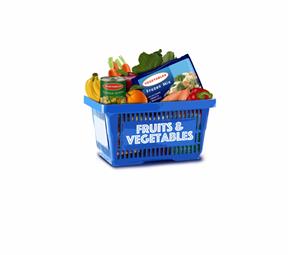
What foods should I eat?
Fruits
All fresh, dried, or frozen fruit. Canned fruits that are in their natural juice and don't have sugar added to them.
Vegetables
Fresh or frozen vegetables that are raw, steamed, roasted, or grilled. Low-sodium or reduced-sodium vegetable juice. Low-sodium or reduced-sodium tomato sauce and paste. Low-sodium or reduced-sodium canned vegetables.
Grains
Whole-grain or whole-wheat bread. Whole-grain or whole-wheat pasta. Brown rice. Oatmeal. Quinoa. Bulgur. Whole-grain and low-sodium cereals. Pita bread. Low-fat, low-sodium crackers. Whole-wheat flour tortillas.
Meats and other proteins
Skinless chicken or turkey. Ground chicken or turkey. Pork with fat trimmed off. Fish and seafood. Egg whites. Dried beans, peas, or lentils. Unsalted nuts, nut butters, and seeds. Unsalted canned beans. Lean cuts of beef with fat trimmed off. Low-sodium, lean precooked or cured meat, such as sausages or meat loaves.
Dairy
Low-fat (1%) or fat-free (skim) milk. Reduced-fat, low-fat, or fat-free cheeses. Nonfat, low-sodium ricotta or cottage cheese. Low-fat or nonfat yogurt.
Fats and oils
Soft margarine without trans fats. Vegetable oil. Reduced-fat, low-fat, or light mayonnaise and salad dressings (reduced-sodium). Canola, safflower, olive, avocado, soybean, and sunflower oils. Avocado.
Seasonings and condiments
Herbs. Spices. Seasoning mixes without salt.
The items listed above may not be all the foods and drinks you can have. Talk to a dietitian to learn more.
What foods should I avoid?
Fruits
Canned fruit in a light or heavy syrup. Fried fruit. Fruit in cream or butter sauce.
Vegetables
Creamed or fried vegetables. Vegetables in a cheese sauce. Regular canned vegetables that aren't marked as low-sodium or reduced-sodium. Regular canned tomato sauce and paste that aren't marked as low-sodium or reduced-sodium. Regular tomato and vegetable juices that aren't marked as low-sodium or reduced-sodium. Pickles. Olives.
Grains
Baked goods made with fat, such as croissants, muffins, or some breads. Packaged dry pasta or rice mixes.
Meats and other proteins
Fatty cuts of meat. Ribs. Fried meat. Bacon. Bologna, salami, and other precooked or cured meats, such as sausages or meat loaves, that aren't lean and low in sodium. Fat from the back of a pig (fatback). Bratwurst. Salted nuts and seeds. Canned beans with added salt. Canned or smoked fish. Whole eggs or egg yolks. Chicken or turkey with skin.
Dairy
Whole or 2% milk, cream, and half-and-half. Whole or full-fat cream cheese. Whole-fat or sweetened yogurt. Full-fat cheese. Nondairy creamers. Whipped toppings. Processed cheese and cheese spreads.
Fats and oils
Butter. Stick margarine. Lard. Shortening. Ghee. Bacon fat. Tropical oils.
Seasonings and condiments
Onion salt, garlic salt, seasoned salt, table salt, and sea salt. Worcestershire sauce. Tartar sauce. Barbecue sauce. Teriyaki sauce. Soy sauce, including reduced-sodium soy sauce. Steak sauce. Canned and packaged gravies. Fish sauce. Oyster sauce. Cocktail sauce. Store-bought horseradish. Ketchup. Mustard. Meat flavorings and tenderizers. Bouillon cubes. Hot sauces. Pre-made or packaged marinades or taco seasonings. Relishes. Regular salad dressings.
The items listed above may not be all the foods and drinks you should avoid. Talk to a dietitian to learn more.
Where to find more information
To learn more, go to:
American Heart Association (AHA) at heart.orgopens in new tab/window.
Click "Search" and type "Managing blood pressure."
Find the link you need.
Academy of Nutrition and Dietetics (AND) at eatright.orgopens in new tab/window.
Click "Search" and type "DASH eating plan."
Find the link you need.
National Kidney Foundation (NKF) at kidney.orgopens in new tab/window.
Click "Search" and type "DASH diet."
Find the link you need.
This information is not intended to replace advice given to you by your health care provider. Make sure you discuss any questions you have with your health care provider.
Document Revised: 08/03/2026 Document Reviewed: 08/03/2026
Elsevier Patient Education © 2026 Elsevier Inc.