
Cough in Children: What It Means
Cough in Children: What It Means
Coughing is a reflex that clears your child's throat and airways (respiratory system). It helps to heal and protect your child's lungs. It's normal for your child to cough from time to time.
A cough that happens with other symptoms or lasts a long time may be a sign of a problem that needs treatment. A short-term (acute) cough may only last 2–3 weeks. A long-term (chronic) cough may last 8 or more weeks.
Coughing is often caused by:
An infection in the nose, throat, windpipe and lungs (respiratory system).
Breathing in things that irritate the lungs.
Allergies.
Asthma.
Postnasal drip. This is when thick mucus (phlegm) runs down the back of your child's throat.
Gastric reflux. This is when acid comes back up from your child's stomach.
Some medicines.
Follow these instructions at home:
Medicines
Give your child medicines only as told.
Do not give your child cough medicines (cough suppressants) unless their provider says that it's OK. In most cases, these medicines should not be given to children who are younger than 6 years old.
Do not give honey or honey-based cough products to children who are younger than 1 year old. For children who are older than 1 year of age, honey can help to lessen coughing.
Do not give your child aspirin. It can make them very sick.
Eating and drinking
Do not give your child caffeine.
Give your child more fluids as told.
Have your child eat and drink only as told.
Lifestyle
Keep your child away from cigarette smoke.
Do not smoke or vape around your child.
Do not let your child smoke, vape, or use nicotine or tobacco.
Have your child stay away from things that make them cough, such as campfire smoke.
General instructions
If coughing is worse at night, older children can try sleeping in a semi-upright position. For babies who are younger than 1 year old:
Do not put pillows, wedges, bumpers, or other loose items in their crib.
Follow instructions from the provider about safe sleeping guidelines for babies and children.
Watch for any changes in your child's cough. Tell the provider about them.
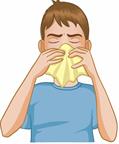
Have your child always cover their mouth when they cough.
If the air is dry in your child's bedroom or in your home, use a cool mist vaporizer or humidifier to add moisture to the air. Giving your child a warm bath before bedtime may also help.
Have your child rest as needed.
Contact a health care provider if:
Your child develops a barking cough.
Your child makes high-pitched whistling sounds when they breathe out (wheezes) or loud, high-pitched sounds when they breathe in or out (stridor).
Your child has new symptoms, or their symptoms get worse.
Your child coughs up pus.
Your child wakes up at night because of their cough or throws up from the cough.
Your child loses weight for no clear reason.
Contact your child's provider right away if:
Your baby is younger than 3 months old and has a temperature of 100.4°F (38°C) or higher.
Your child is 3 months old or older and has a temperature of 102.2°F (39°C) or higher.
Your child has a fever, and they look or act sick in a way that worries you.
If you can't reach the provider, go to an urgent care or emergency room.
Get help right away if:
Your child is short of breath.
Your child's lips turn blue.
Your child coughs up blood.
Your child may have choked on an object.
Your child has pain in their chest or belly when they breathe or cough.
Your child seems confused or very tired or sleepy.
These symptoms may be an emergency. Do not wait to see if the symptoms will go away. Call 911 right away.
This information is not intended to replace advice given to you by your health care provider. Make sure you discuss any questions you have with your health care provider.
Document Revised: 06/15/2026 Document Reviewed: 06/04/2026
Elsevier Patient Education © 2026 Elsevier Inc.