
Cooking With Less Salt: Healthy Eating
Cooking With Less Salt: Healthy Eating
Cooking with less salt is one way to reduce the amount of salt (sodium) you get fromfood. Most people should have less than 2,300 milligrams (mg) of sodium each day. If you have high blood pressure, you may need to limit your sodium to 1,500 mg each day.
Follow these tips to help lower the amount of sodium you eat.
What are tips for eating less sodium?
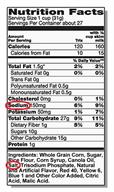
Reading food labels
Check the food label before buying or using packaged ingredients.
Check the label for the serving size and amount of sodium.
Choose products with less than 140 mg of sodium per serving.
Check the % Daily Value column to see what percent of the daily recommended amount of sodium is in 1 serving of the product.
Foods with 5% or less are low in sodium.
Foods with 20% or more are high in sodium.
Do not choose foods that have salt as one of the first 3 ingredients on the ingredients list.
Always check how much sodium is in a product even if the label says "unsalted" or "no salt added."
Shopping
Choose foods with these words:
Low sodium.
Sodium free.
Reduced sodium.
No salt added.
Unsalted.
Buy fresh or frozen foods without sauces or additives.
Limit highly processed vegan or vegetarian foods that can include added salt.
Cooking
Instead of salt, use herbs, seasonings without salt, and spices.
Use sodium-free baking soda.
Grill, braise, or roast foods to add flavor with less salt.
Do not add salt to pasta, rice, or hot cereals.
Drain and rinse canned vegetables, beans, and meat before using them.
Do not add salt when cooking sweets and desserts.
Cook with low-sodium ingredients.
Choosing Lower-Sodium Grains
Bread can add a lot of sodium to your diet. Try using other grains, such as:
Whole oats.
Quinoa.
Whole wheat pasta.
Other whole grains that don't have sodium added to them.
What foods are high in sodium?
Vegetables
Regular canned vegetables, except low-sodium or reduced-sodium items. Sauerkraut, pickled vegetables, and relishes. Olives. French fries. Onion rings. Regular canned tomato sauce and paste. Regular tomato and vegetable juice. Frozen vegetables in sauces.
Grains
Instant hot cereals. Bread stuffing, pancake, and biscuit mixes. Croutons. Seasoned rice or pasta mixes. Noodle soup cups. Boxed or frozen macaroni and cheese. Regular salted crackers. Self-rising flour. Rolls. Bagels. Flour tortillas and wraps.
Meats and other proteins
Meat or fish that's salted, canned, smoked, cured, spiced, or pickled. Precooked or cured meat, such as sausages or meat loaves. Bacon. Ham. Pepperoni. Hot dogs. Corned beef. Chipped beef. Salt pork. Jerky. Pickled herring, anchovies, and sardines. Regular canned tuna. Salted nuts.
Dairy
Processed cheese and cheese spreads. Hard cheeses. Cheese curds. Blue cheese. Feta cheese. String cheese. Regular cottage cheese. Buttermilk. Canned milk.
The items listed above may not be a full list of foods high in sodium. Talk to a dietitian to learn more.
What foods are low in sodium?
Fruits
Fresh, frozen, or canned fruit with no sauce added. Fruit juice.
Vegetables
Fresh or frozen vegetables with no sauce added. "No salt added" canned vegetables. "No salt added" tomato sauce and paste. Low-sodium or reduced-sodium tomato and vegetable juice.
Grains
Noodles, pasta, quinoa, rice. Shredded or puffed wheat or puffed rice. Regular or quick oats (not instant). Low-sodium crackers. Low-sodium bread. Whole grain bread and pasta. Unsalted popcorn.
Meats and other proteins
Fresh or frozen whole meats, poultry with no added sodium, and fish with no sauce added. Nuts without salt. Dried peas, beans, and lentils without added salt. Unsalted canned beans. Eggs. Nut butters without salt. Low-sodium canned tuna or chicken.
Dairy
Milk. Soy milk. Yogurt. Low-sodium cheeses, such as Swiss, Monterey Jack, mozzarella, and ricotta. Sherbet or ice cream (keep to ½ cup per serving). Cream cheese.
Fats and oils
Unsalted butter or margarine.
Other foods
Homemade pudding. Sodium-free baking soda and baking powder. Herbs and spices. Low-sodium seasoning mixes.
Beverages
Coffee and tea. Carbonated beverages.
The items listed above may not be a full list of foods low in sodium. Talk to a dietitian to learn more.
What are some salt alternatives when cooking?
You can use herbs, seasonings, and spices instead of salt to add flavor. Herbs should be fresh or dried. Do not buy packaged mixes. Here are names of the herbs, spices, or seasonings next to some foods you can pair them with.
Herbs
Bay leaves – Soups, meat, vegetables, and spaghetti sauce.
Basil – Italian dishes, soups, pasta, and fish.
Cilantro – Meat, poultry, and vegetables.
Chili powder – Marinades and Mexican dishes.
Chives – Salad dressings and potatoes.
Cumin – Mexican dishes, couscous, and meats.
Dill – Fish, sauces, and salads.
Fennel – Meat, vegetables, breads, and cookies.
Garlic (do not use garlic salt) – Italian dishes, meat, salad dressings, and sauces.
Marjoram – Soups, potatoes, and meat.
Oregano – Pizza and spaghetti sauce.
Parsley – Salads, soups, pasta, and meat.
Rosemary – Italian dishes, salad dressings, soups, and red meats.
Saffron – Fish, pasta, and some poultry.
Sage – Stuffings and sauces.
Tarragon – Fish and poultry.
Thyme – Stuffing, meat, and fish.
Seasonings
Lemon juice – Fish, poultry, vegetables, and salads.
Vinegar – Salad dressings, vegetables, and fish.
Spices
Cinnamon – Sweet foods, such as cakes, cookies, and puddings.
Cloves – Gingerbread, puddings, and marinades for meats.
Curry – Vegetables, fish, poultry, and stir-fry.
Ginger – Vegetables, fish, and stir-fry.
Nutmeg – Pasta, vegetables, poultry, fish, and custard.
This information is not intended to replace advice given to you by your health care provider. Make sure you discuss any questions you have with your health care provider.
Document Revised: 07/29/2026 Document Reviewed: 07/29/2026
Elsevier Patient Education © 2026 Elsevier Inc.