
Sudden (Acute) Pain in Adults: What It Means
Sudden (Acute) Pain in Adults: What It Means
Acute pain is sudden pain that may last a few days or up to 3 months. It can happen because of an illness, injury, or surgery. The pain can be mild, moderate, or very bad.
Having pain can make daily life hard. If it's not treated, it can cause feelings of worry or sadness.
Treatment depends on the cause and how bad your pain is. Medicines and other therapies can help lessen your pain. These include distraction, meditation, plant oils or scents (aromatherapy), and heat or ice.
Usually, acute pain will go away once your injury heals or you get better.
Follow these instructions at home:
Medicines
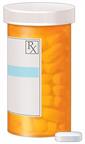
Take your medicines only as told.
If you are taking pain medicines that you're prescribed:
Do not stop taking the medicine suddenly. Talk to your health care provider about how to stop safely.
Do not take more pills than told.
Do not take other pain medicines with your prescription medicines for pain.
Keep your medicines in a safe place. This should be away from children or anyone who may misuse the medicines.
Ask your provider if it's safe to drive or use machines while taking your medicines.
Managing pain, stiffness, and swelling
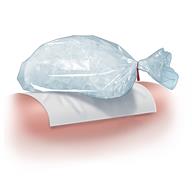
Use ice or an ice pack as told.
Place a towel between your skin and the ice.
Leave the ice on for 20 minutes, 2–3 times a day.
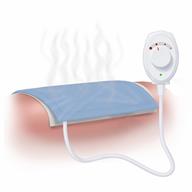
Use heat as told.
Use the heat source that your provider recommends, such as a moist heat pack or a heating pad. Do this as often as told.
Place a towel between your skin and the heat source.
Leave the heat on for 20–30 minutes.
If your skin turns red, take off the ice or heat right away to prevent skin damage. The risk of damage is higher if you can't feel pain, heat, or cold.
Managing trouble pooping
Your medicines may cause trouble pooping (constipation). To help prevent or treat this, you may need to:
Take medicines to help you poop.
Eat foods high in fiber, like beans, whole grains, and fresh fruits and vegetables.
Drink more fluids as told.
Activity
Rest as told.
Ask what things are safe for you to do at home. Ask when you can go back to work or school.
Exercise as told.
General instructions
Check your pain level as told.
Ask your provider if methods like distraction, relaxation, or aromatherapy can help with your pain.
Keep all follow-up visits. Your provider will monitor your pain level.
Contact a health care provider if:
Your pain doesn't get better or it gets worse.
You have side effects from your pain medicines.
Get help right away if:
You have trouble breathing.
You faint.
You have chest pain.
These symptoms may be an emergency. Call 911 right away.
Do not wait to see if the symptoms will go away.
Do not drive yourself to the hospital.
This information is not intended to replace advice given to you by your health care provider. Make sure you discuss any questions you have with your health care provider.
Document Revised: 05/12/2026 Document Reviewed: 08/15/2025
Elsevier Patient Education © 2026 Elsevier Inc.