
High Blood Pressure (Hypertension): How to Manage
High Blood Pressure (Hypertension): How to Manage
High blood pressure (BP) is also called hypertension. It's when the force of the blood pressing against the walls of your arteries is too strong. Arteries are blood vessels that carry blood from your heart to your body.
High BP forces your heart to work harder to pump blood. It may also cause your arteries to get narrow or stiff.
How does high BP affect me?
It's very important to manage your high BP. Over time, high BP can:
Damage your arteries.
Reduce blood flow to parts of your body, such as:
Your brain.
Your heart.
Your kidneys.
Untreated high BP can lead to:
A heart attack or stroke.
An aneurysm. This is a bulge in the wall of a blood vessel. It's most common in an artery.
Heart failure.
Kidney damage.
Eye damage.
Trouble focusing and memory problems.
What actions can I take to manage my high BP?
You can manage your high BP by making changes to your daily life and taking medicines. Your health care provider will help you make a plan to help lower your BP.
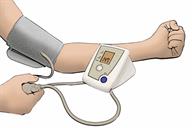
You should also closely watch your BP. You will have it checked often by your provider and should also check it at home as told.
How to manage changes to your daily life
Managing stress
Figure out what's causing stress in your life.
To manage stress, try:
Meditation.
Deep breathing.
Making time for things you like doing.
Getting more exercise.
Getting enough sleep.
Medicines
You may need to take medicines to get your BP under control.
Talk to your provider about all the medicines you take. You need to know what the medicines do and what side effects they may have.
Take your medicines only as told.
Check with your provider before you:
Stop taking a medicine.
Change the amount you take.
Change how often you take a medicine.
General instructions
Do not smoke, vape, or use nicotine or tobacco.
Follow these instructions at home:
Eating and drinking
Eat foods that are high in:
Fiber.
Potassium.
Avoid eating:
Salt (sodium). Try to have 1,500 mg or less of salt a day.
Added sugar.
Fat.
If told, go on the DASH diet. DASH stands for Dietary Approaches to Stop Hypertension. To eat this way:
Try to fill half your plate at each meal with fresh fruits and vegetables.
Fill about a fourth of your plate with whole grains, such as whole-wheat pasta, brown rice, and whole-grain bread.
Eat low-fat dairy products.
Fill about a fourth of your plate with low-fat proteins, such as fish, chicken without skin, beans, eggs, and tofu.
Avoid fatty cuts of meat and poultry with skin. Avoid pre-made and processed foods.
Look for a Heart-Check mark on products you buy. The American Heart Association (AHA) puts this symbol on things that meet their guidelines for a single serving for healthy people over age 2.
Talk with an expert in healthy eating called a dietitian. They can help you figure out what foods and drinks you can have.
Alcohol use
Drinking too much alcohol can raise your BP. Your provider may ask you to drink less.
If you drink alcohol:
Limit how much you have to:* 0–1 drink a day if you're female.* 0–2 drinks a day if you're male.
Know how much alcohol is in your drink. In the U.S., one drink is one 12 oz bottle of beer (355 mL), one 5 oz glass of wine (148 mL), or one 1½ oz glass of hard liquor (44 mL).
Activity
Exercise can help reduce high BP. It can also help:
Manage your weight.
Strengthen your heart.
Lower your stress level.
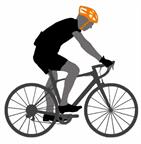
Do aerobic exercises. These exercises make your heart beat faster. Try to get at least 150 minutes of aerobic exercise each week, such as:
Brisk walking, hiking, or biking.
Rowing or swimming.
Fitness classes or team sports.
Do exercises to strengthen your muscles, such as weight lifting. Do these exercises for 30 minutes at least 3 days a week.
Where to find more information
To learn more, go to:
The National Heart Lung and Blood Institute at nhlbi.nih.govopens in new tab/window.
Click the magnifying glass and type "high blood pressure."
Find the link you need.
American Heart Association at heart.orgopens in new tab/window.
Click "Search" and type "high blood pressure."
Find the link you need.
Contact a health care provider if:
You have a reaction to your medicines.
You have headaches.
You feel dizzy.
You have swelling in your ankles.
You feel like throwing up.
Get help right away if:
You have chest pain or trouble breathing.
You have very bad pain in your back or belly.
You have any signs of a stroke. "BE FAST" is an easy way to remember the main warning signs:
B - Balance. Feeling dizzy, sudden trouble walking, or loss of balance.
E - Eyes. Trouble seeing or a change in how you see.
F - Face. Sudden weakness or feeling numb in the face. The face or eyelid may droop on one side.
A - Arms. Weakness or loss of feeling in an arm. This happens fast and often only on one side.
S - Speech. Sudden trouble speaking, slurred speech, or trouble understanding what people say.
T - Time. Time to call 911. Write down what time symptoms started.
Other signs of a stroke can be:
A sudden, very bad headache with no known cause.
Feeling like you may throw up.
Throwing up.
These symptoms may be an emergency. Call 911 right away.
Do not wait to see if the symptoms will go away.
Do not drive yourself to the hospital.
This information is not intended to replace advice given to you by your health care provider. Make sure you discuss any questions you have with your health care provider.
Document Revised: 05/12/2026 Document Reviewed: 05/05/2025
Elsevier Patient Education © 2026 Elsevier Inc.