
Safety Measures for Infections That Spread by Droplets (Droplet Precautions): What to Know
Safety Measures for Infections That Spread by Droplets (Droplet Precautions): What to Know
Droplet precautions are guidelines for the care of a person who has a disease that spreads through droplets from mucus or secretions from the nose, throat, windpipe, and lungs (respiratory system). Examples of the most common diseases spread by droplets include pertussis, flu (influenza), diphtheria, invasive Neisseria meningitis, some types of pneumonia, and some types of severe acute respiratory syndrome (SARS). To prevent the disease from spreading to other people, follow the guidelines below.
Guidelines for patients
If you have a disease that can be spread through mucus or secretions, follow these guidelines at the hospital or clinic:
Check with your nurse before you leave the room where you are being treated.
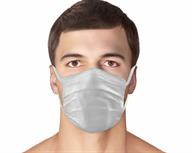
Wear a mask if you go to another area of the hospital or clinic. Make sure the mask fits snugly.
Cover your mouth with a tissue when you cough.
Cover your mouth and nose with a tissue when you sneeze.
Try to stay at least 3 ft (1 m) away from another person while talking.
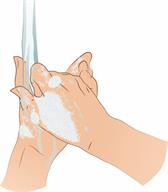
Wash your hands often with soap and water for at least 20 seconds. This is an important way to prevent spread of the disease. If soap and water are not available, use alcohol-based hand sanitizer.
Guidelines for visitors
Follow these guidelines if you are visiting a person in the hospital who has a disease that can be spread through mucus or secretions:
Check with a nurse before you enter a room that has a sign that says "Droplet Precautions."
If you are allowed to enter the room, you will be asked to wash your hands and wear a mask over your nose and mouth. Make sure that the mask fits snugly. You may also be told to wear eye protection.
Do not take off your mask in the room. If you were told to wear eye protection, do not take it off in the room.
Do not eat or drink in the room unless you ask a nurse first.
Do not use or touch any items in the room unless you ask a nurse first.
Right before you leave the room:
Take off your mask and eye protection. Throw them in the trash.
Wash your hands with soap and water for at least 20 seconds. This is an important way to prevent spread of the disease. If soap and water are not available, use alcohol-based hand sanitizer.
Summary
Droplet precautions are guidelines for the care of a person who has a disease that spreads through droplets from mucus or secretions from the nose, throat, windpipe, and lungs (respiratory system).
If you are a patient, check with your nurse before you leave the room where you are being treated. Wear a mask as told.
If you are a visitor, check with a nurse before you enter the patient's room. Wear a mask over your nose and mouth. Do not eat or drink in the room before you ask a nurse. Do not touch anything in the room unless you ask a nurse first.
Patients and visitors should wash their hands often with soap and water for at least 20 seconds. If soap and water are not available, use alcohol-based hand sanitizer.
This information is not intended to replace advice given to you by your health care provider. Make sure you discuss any questions you have with your health care provider.
Document Revised: 10/26/2025 Document Reviewed: 02/07/2023
Elsevier Patient Education © 2026 Elsevier Inc.