
Ebola Virus Infection: How to Prevent It
Ebola Virus Infection: How to Prevent It
Ebola virus disease (EVD) is part of a group of diseases called viral hemorrhagic fevers. The Ebola virus enters the body through cuts or scratches on the skin. It can also get in through moist body surfaces, such as the eyes, nose, or mouth. EVD can damage blood vessels and cause internal bleeding. EVD is a medical emergency.
How can EVD affect me?
EVD is contagious, which means it can easily spread from one person to another. When the virus enters your body, it can cause symptoms such as:
Sudden high fever, followed by headache, backache, and bone and muscle aches.
Vomiting or diarrhea, which can cause dehydration.
Stomach or chest pain.
Unexplained bleeding and bruising. You may bleed from the eyes, ears, nose, gums, vagina, or rectum.
Seizure.
What can increase my risk for this condition?
EVD is found mainly in Africa. You're more likely to catch EVD if you go to an area with a recent EVD outbreak.
You're also likely to catch the virus if you have direct contact with:
People who have recently been to an area where there was an outbreak.
The blood or body fluids of an infected person.
Items or surfaces that have an infected person's blood or body fluids.
A person who has taken care of a person with EVD.
Can pets get EVD and spread it to people?
As of yet, there have been no reports of dogs or cats becoming sick with Ebola or spreading Ebola to people or other animals. If a dog or cat is exposed to the blood or body fluids of a person with EVD, contact veterinary and public health officials to know what steps to take.
What actions can I take to prevent EVD?
Avoid contact with the virus
Avoid contact with the body fluids of an infected person. These include:
Poop and pee.
Blood.
Semen.
Vomit or saliva.
Breast milk.
Sweat.
Do not touch objects that had infected blood or body fluids on it, such as needles, syringes, bedding, or clothing. It's not known how long the virus lasts on objects.
Avoid eating or touching meat from bats or primates, including monkeys, in areas that have an EVD outbreak.
Do not have sex with anyone who may be infected or who recently recovered from EVD.
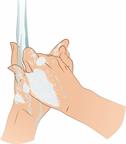
Wash your hands often with soap and water for at least 20 seconds. If soap and water aren't available, use alcohol-based hand sanitizer.
Protect other people
If you've been exposed to the body fluids of a person with EVD, steps may be taken to prevent the virus from spreading to others.
You may be asked to stay in your home and keep away from other people.
Do not go out in public ortake public transportation.
If you get a fever or other EVD symptoms, you'll have a blood test to check for the virus.
If you don't get sick after 21 days, you may go back to your normal activities.
If you're at a hospital:
Safety measures, also called contact precautions, will be taken to prevent the infection from spreading to others. People who have or may have EVD will be separated from other patients.
Health care workers will wear protective clothing, gloves, masks, goggles, and boots to cover their bodies.
You'll be monitored for symptoms of EVD.
Where to find more information
Centers for Disease Control and Prevention (CDC): cdc.govopens in new tab/window
World Health Organization (WHO): who.intopens in new tab/window
Get help right away if:
You have had contact with a person who has or had EVD and you have symptoms of EVD.
Do not wait to see if you will get better. EVD can be life-threatening. Treatment must be done in a hospital. Treatment will work well when it's started early.
If you or someone else show signs of EVD, call 911.
Do not go directly to a hospital or provider's office.
Tell emergency services your symptoms and that you think you have EVD. Health care workers can be ready for your visit. You can be diagnosed quickly and others can be protected from the infection.
This information is not intended to replace advice given to you by your health care provider. Make sure you discuss any questions you have with your health care provider.
Document Revised: 10/29/2025 Document Reviewed: 04/15/2024
Elsevier Patient Education © 2026 Elsevier Inc.