
Unlock chemistry efficiency with AI
Discover how AI can transform your chemistry workflows by reducing cognitive friction and enabling deeper, faster discovery.

Introduction
Academic chemists today are under pressure from growing expectations and shrinking time, but fragmented tools and data overload are slowing their innovation.
Researchers spend up to 9 hours each week switching between platforms, losing this time to inefficiency instead of spending it on discovery.1
Explore how forward-looking institutions are reclaiming that time with AI-powered chemistry workflows that connect data, reduce friction and accelerate insight.
The challenge
Academic chemists have unprecedented access to data but also face unprecedented complexity, with traditional chemistry workflows that are far from seamless.
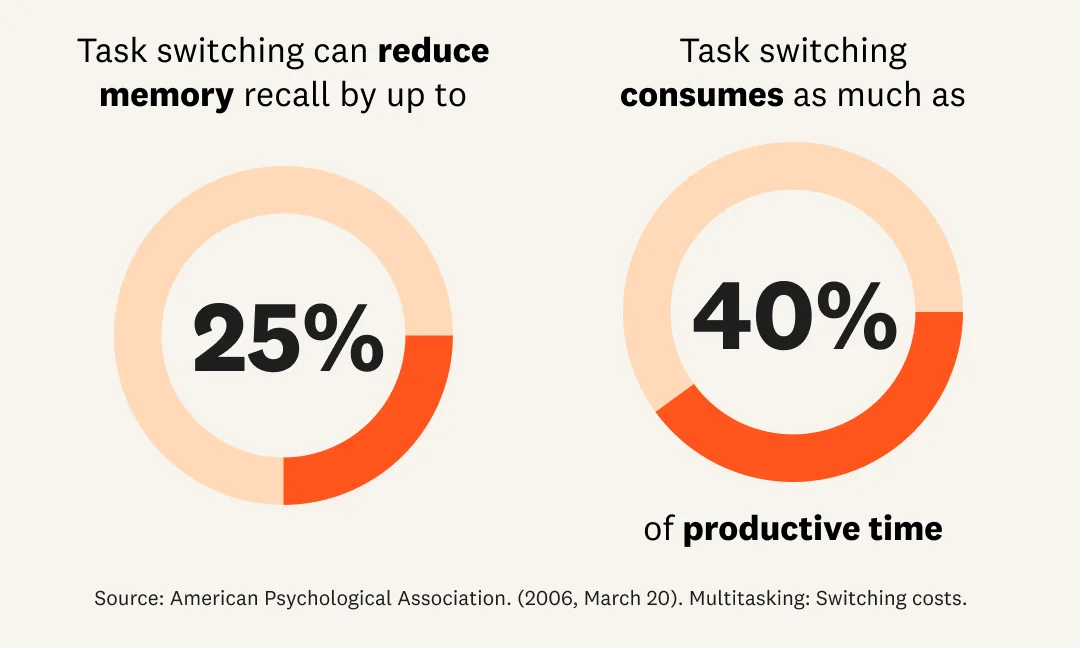
The constant switching between disparate tools and databases creates cognitive friction, which drains focus and reduces productivity.
Modern chemists are therefore operating under a “cognitive illusion” of efficiency, unaware of how much their workflows are really costing them.
It’s time to replace fragmented workflows with chemistry-aware systems that unify substance, synthesis, literature and patent data in one seamless, intelligent view.
Chemists lose the equivalent of 22 working days per year searching for information.1
AI in action
AI is redefining traditional chemistry workflows, transforming friction into focus.
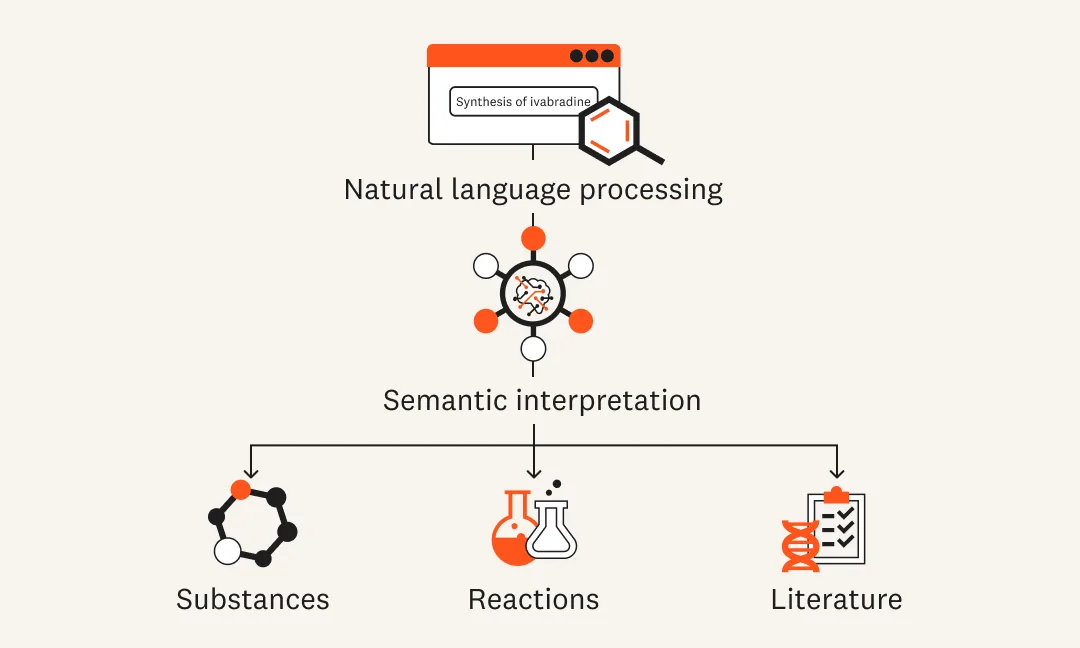
With semantic understanding and structure-aware search, chemists can easily ask natural language questions (“synthesis of ivabradine”) and get context-rich, ranked results—all without having to rely on exact keywords or Boolean logic.
Plus, AI-powered predictive retrosynthesis can reduce planning time from days to hours, and uncover greener, safer, more efficient routes.
Integrated platforms can bring everything together, from patent data to experimental precedents, into one seamless discovery flow, replacing the “cognitive illusion” of efficiency with the real deal.
AI-powered planning can cut synthesis steps by 40% and improve sustainability outcomes.2
Librarian leadership
As AI moves from optional skillset to core competency, librarians are often the ones leading on AI literacy and responsible AI use for their institutions. They serve as bridges between technology capabilities and research needs, ultimately transforming how institutions (and their students) approach AI-powered chemistry research.
Programs like Elsevier’s GenAI Literacy for Librarians and Responsible AI Principlesopens in new tab/window also help to equip institutions with ethical and effective innovation guidance.
Institutions that offer hands-on AI training see better adoption and outcomes.3
Lead the next era of chemistry discovery
Building AI into chemistry workflows ultimately means researchers can regain the time, clarity and confidence to focus on what truly matters: innovation. Institutions that see AI as necessary infrastructure, not innovation, will be best-positioned to lead in this new era of research excellence in chemistry. Download the full report to see how AI-powered tools like Reaxys can help you mitigate the hidden costs of your current chemistry workflow, by turning friction into focus.
References
1. Cottrill Research. (2013, November 8). Various Survey Statistics: Workers Spend Too Much Time Searching for Information. https://cottrillresearch.com/various-survey-statistics-workers-spend-too-much-time-searching-for-information/opens in new tab/window 2. Lapkin, A., Wagschal, S., Madzhidov, T., & Neary, V. (2025, March 25). AI in Action: Sustainability and Efficiency in Chemical Synthesis [Webinar]. Elsevier. https://webinars.elsevier.com/elsevier/AI-in-Action-Sustainability-and-Efficiency-in-chemical-synthesis opens in new tab/window 3. Elsevier (May 2025). Reaxys Buyer Insight Report.