
Driving Research Excellence and Global Competitiveness through Data, AI and Innovation
Driving Research Excellence and Global Competitiveness through Data, AI and Innovation

Introduction
As higher education and research continue to evolve rapidly around the world, how can universities use research data and artificial intelligence to identify their strengths, shape their strategies, and enhance their global competitiveness?
Elsevier and National Tsing Hua University are co-hosting “Driving Research Excellence and Global Competitiveness through Data, AI and Innovation.” Speakers from National Tsing Hua University, the National University of Singapore, The Chinese University of Hong Kong, and Elsevier will share practical insights on R&D support systems, research performance benchmarking, institutional research information system , and innovation ecosystems in the age of AI.
Through this exchange, participants will learn how universities can use research data and AI to strengthen research support, set strategic priorities, and foster interdisciplinary and industry collaboration—ultimately advancing research excellence and global competitiveness.
Event Details
Date: 22nd October, 2026 (Thursday)
Time: 13:00 - 16:30
Venue: National Tsing Hua Universtiy - General Building II, 8F Conference Hall <Mapopens in new tab/window>
Organizer: National Tsing Hua University and Elsevier
Target audience: President, Vice President, Dean and Vice Dean of R&D Office, Dean and Vice Dean of International Affairs Office, IR Office staff, library director or other related business people of interest.
Agenda
Time | Session |
|---|---|
13:00 – 13:20 | Registration |
13:20 – 13:30 | Welcome Remarks Dr. W. John Kao President National Tsing Hua University |
13:30 – 14:00 | Supporting Research, Advancing Innovation: Building a Researcher-Centered R&D Support Ecosystem at National Tsing Hua University Prof. Shang-Hsiu Hu Associate Vice President for Research and Development National Tsing Hua University Amid rapid changes in global competition in higher education and research, a university’s Research office can no longer focus solely on providing funding and administrative services. It must also ensure that researchers receive timely, appropriate support at every stage of their careers. At National Tsing Hua University (NTHU), support is designed around researchers’ needs. It ranges from start-up funding for new faculty, flexible compensation and research awards to recruiting postdoctoral talent, sharing research equipment, facilitating interdisciplinary connections, and building international and industry partnerships. NTHU is also developing a researcher database and matching mechanisms to connect talent with mentors and companies—helping campus resources move beyond simply being available to being actively used and connected. Under the theme “Supporting Research, Advancing Innovation,” the Office of Research and Development will share how it is evolving from a traditional resource provider into a research partner. The presentation will explore this work through five dimensions: helping researchers find resources, access and use them, receive personal support, build connections, and gain visibility. It will also show how NTHU’s ten highlighted research fields and analysis of academic impact can turn individual research strengths into the university’s collective international competitiveness. The ultimate goal is to give faculty the support they need to focus on their research, help promising work thrive at NTHU, build meaningful connections, and reach the world. |
14:00 – 14:30 | Research Benchmarking and Excellence Dr. Taizan Chan Chief Data Officer National University of Singapore Taizan will present how data has been utilised in global university rankings, global collaborations, and faculty recruitment at NUS. Drawing on Scopus and SciVal analytics, the session covers three core applications: identifying and benchmarking research talent against local and global peers during recruitment and promotion decisions; guiding publishing strategies through tracking of Q1 journal share and Field-Weighted Citation Impact (FWCI) to strengthen NUS's research impact; and strengthening global research collaboration by mapping international co-authorship patterns and identifying "Peaks of Excellence" to guide strategic partnerships with peer institutions. He will also share how AI has been assisting the data team at NUS in some of these analyses. |
14:30 – 14:50 | Break |
14:50 – 15:20 | Seeing What Matters: the CUHK Journey Prof. Jimmy Ho Man Lee Director, University Planning Office The Chinese University of Hong Kong This presentation shares The Chinese University of Hong Kong’s (CUHK) journey in developing the Institutional Research Information System (IRIS) to transform how research information is managed across the University. By bringing together data from previously siloed systems, IRIS creates a shared and trusted source of research information that supports institutional planning, reporting, and decision-making. The presentation will also highlight the key challenges, lessons learned, and change management strategies that helped drive stakeholder engagement and adoption across the University, and explore how IRIS is laying the foundation for Research Intelligence and more strategic, evidence-based decision-making. In an era of unprecedented data abundance, the key challenge faced by many universities is no longer data availability but the ability to integrate diverse data sources into a coherent and comprehensive institutional view. This presentation highlights The Chinese University of Hong Kong (CUHK) journey in developing the Institutional Research Information System (IRIS), a university-wide initiative to establish an integrated repository of research information that supports a wide range of institutional needs. We will discuss how IRIS has transformed research information management at CUHK by consolidating legacy data from previously siloed systems, addressing the requirements of diverse stakeholders across disciplines and functions, and creating a shared, trusted source of research information for planning, reporting, and decision-making. Beyond the technical implementation, we will share the lessons learned, challenges overcome and change management strategies that were critical to fostering stakeholder engagement and driving adoption across the University. We will also explore how IRIS is laying the foundation for research intelligence at CUHK, enabling deeper institutional insights and supporting strategic, evidence-based decision-making in a rapidly evolving higher education landscape. |
15:20 – 15:50 | Resilient Innovation Ecosystems in the Age of AI: Why Trust, Not Just Data, Is the 4th Generation University's Currency Dr. Anders Karlsson Vice President, Global Strategic Networks, Elsevier, APAC AI is reshaping analytical insight, and economic security is raising the stakes. Resilient innovation ecosystems cannot be built on data governance alone; they need trust. Japan's deepest university-industry partnerships sequence trust before contract.The Fourth-Generation University (4GU) model — a university community incubated with Elsevier — positions universities as orchestrators of innovation ecosystems, extending that logic from bilateral to multi-stakeholder collaboration across industry, government, and civil society. Indicators such as alumni retention, co-authorship, and spinouts show whether collaboration is working, and agentic AI can now surface them fast. But neither alone will suffice: trust between people cannot scale fast enough, and trusted AI alone cannot install the trust needed to act on what it finds. This panel asks how both combine to enable ecosystem-scale orchestration. |
15:50 - 16:05 | Taiwan's Next Science Frontier: Supporting Research Diversification through Data-Based Insights from SciVal & LeapSpace Dr. Anders Karlsson Vice President, Global Strategic Networks, Elsevier, APAC Elsevier's newest report, "Taiwan’s Next Science Frontier:Building on semiconductor leadership to diversify the research and innovation landscape" asks whether Taiwan's semiconductor-honed model of industry-institute collaboration can power new strategic verticals. Our insights, provided by SciVal, show that key strategic technologies; AI, quantum information science, and biotechnology show a stronger research focus than global partners, but there is still large potential for Taiwan to build institutional depth and academia-industry integration that built the world-renowned semiconductor sector. |
16:05 - 16:25 | Panel Discussion (All speakers) Moderater: Dr. Anders Karlsson |
16:25 - 16:30 | Closing Remarks Prof. Hsiang-Kuang Chang Senior Vice President, National Tsing Hua University Vice Chancellor, University System of Taiwan |
Speakers
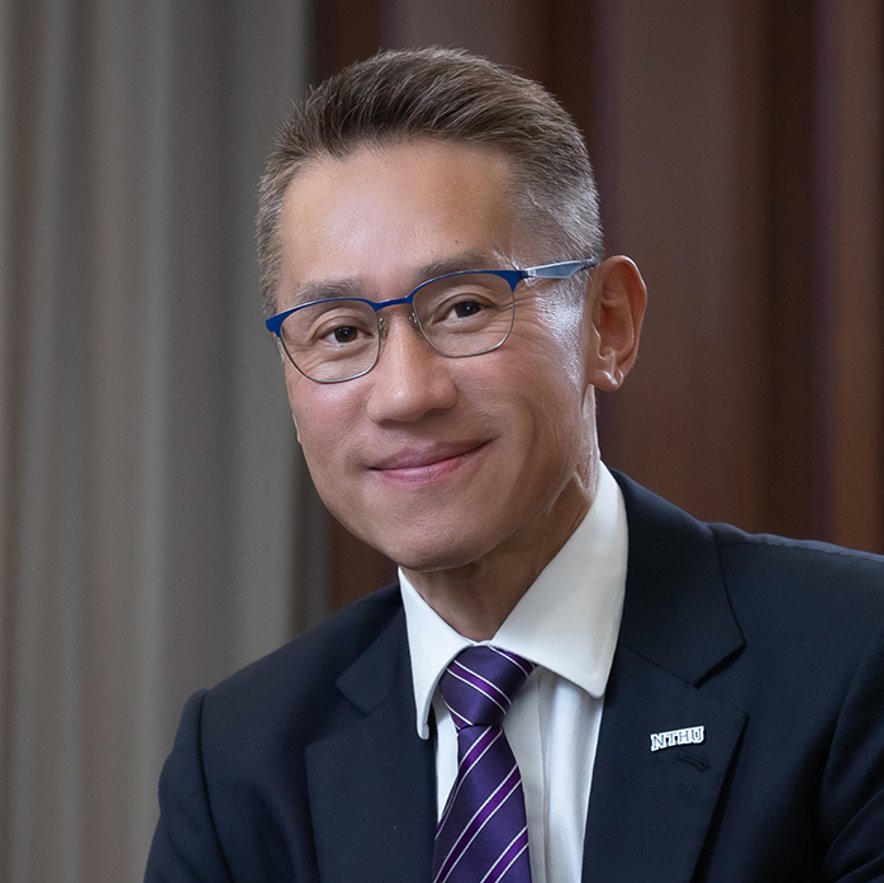
W. John Kao
President
National Tsing Hua University
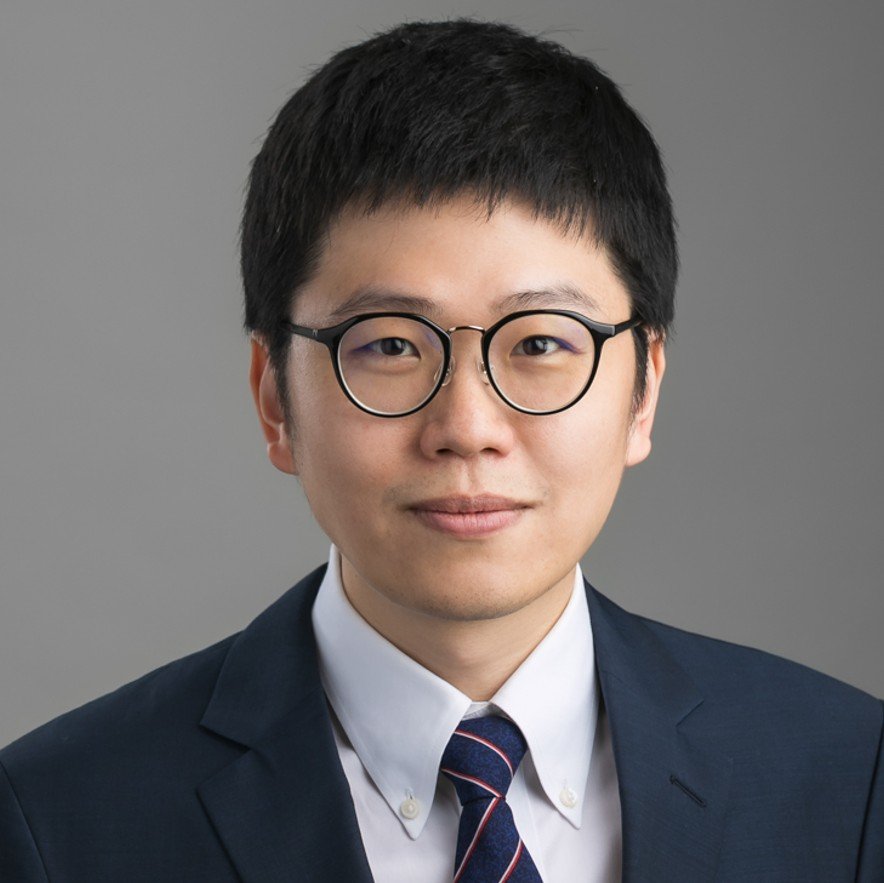
Shang-Hsiu Hu
Associate Vice President for Research and Development
National Tsing Hua University
Read more about Shang-Hsiu Hu
Jimmy Ho Man Lee
Director, University Planning Office
The Chinese University of Hong Kong
Read more about Jimmy Ho Man Lee
Anders Karlsson
Vice President, Global Strategic Networks
Elsevier APAC
Read more about Anders Karlsson
Chang Hsiang-Kuang
Senior Vice President, National Tsing Hua University,
Vice Chancellor, University System of Taiwan
Read more about Chang Hsiang-KuangEvent Notice
The organizer reserves the right to modify, change, interpret, or cancel the event. Any updates will be announced on the website without further notice.