





'Virtual people' no substitute for real people in research
AI-generated “silicon” respondents cannot replace real participants in policy decisions, because welfare estimates should reflect the views of people who will experience the consequences.
Unfortunately we don't fully support your browser. If you have the option to, please upgrade to a newer version or use Mozilla Firefox, Microsoft Edge, Google Chrome, or Safari 14 or newer. If you are unable to, and need support, please send us your feedback.
Here you can explore new findings and emerging ideas across life, physical, health and social sciences. From advances in technology and medicine to fresh perspectives on people and the planet, discover research offering new ways to understand the world around us.

Discover recently published studies exploring timely questions, unexpected findings and new developments from across the sciences. Explore insights from leading experts and stay ahead ofwhat matters most.
Discover research advancing materials, technology, energy and our understanding of the physical world.
AI-generated “silicon” respondents cannot replace real participants in policy decisions, because welfare estimates should reflect the views of people who will experience the consequences.
Explore new insights into living systems, from cells and organisms to ecosystems and the environment.
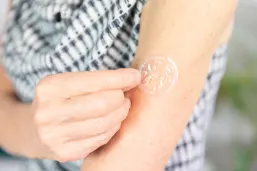
Researchers designed dissolving microneedle patches matched to the size of the drug being delivered. In tests, one design achieved very high semaglutide delivery, suggesting a patch could one day reduce the need for injections in diabetes and obesity care. A different design worked best for a much smaller drug, showing that microneedle shape may need to be tailored to each medicine.
New findings addressing health, medicine, clinical practice and the delivery of care.
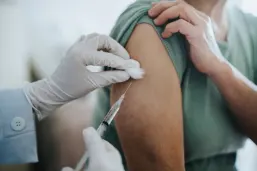
Eight years after HPV vaccination of GBMSM began, the prevalence of vaccine-type HPV in GBMSM has declined. Available data did not permit accurate estimation of vaccine effectiveness, likely due to the combined effects of underreporting of vaccinations, herd protection, and bias in vaccination uptake. These findings, albeit ecological, bode well for this targeted programme meeting its aim of reducing HPV-related diseases among GBMSM and reducing health inequalities.
Air travel during the first trimester was associated with an increased risk of spontaneous miscarriage. While causality cannot be established, these findings may have implications for counseling women considering air travel during early pregnancy.
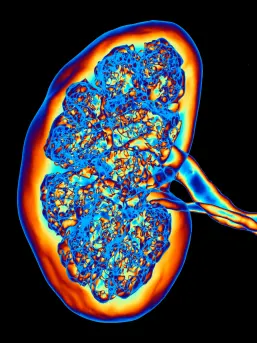
Semaglutide reduced the risk of kidney outcomes compared with placebo on the basis of the primary standard composite outcome used for kidney outcome trials, and on a narrower secondary kidney-specific composite of CKD that excluded cardiovascular-related death.
Research offering fresh perspectives on society, culture, behaviour and the forces shaping human experience.
Despite some cross-country differences, respondents in all countries reported reductions in purchasing of non-core foods, such as desserts and non-alcoholic beverages, but also of core foods, such as fruits and vegetables. In all countries, reported reductions in core food purchases were associated with lower perceived income adequacy and household food insecurity. Most respondents perceived food as less affordable in 2022 and reported diverse shifts in food purchasing as a result, highlighting the need for social and nutritional policies promoting access to affordable food, including nutritious options, for all.
Across Australia and New Zealand, women’s perceptions of transport safety varied consistently by time of day, journey stage, and environment, with safety concerns increasing after dark, especially when accessing or waiting for transport. Unwanted behaviours were common but often under-reported, meaning many women continue to undertake substantial “safety work” to manage perceived risks throughout their journeys.
Early childhood exposure to domestic violence was strongly and persistently associated with adolescent mental health, conduct, and substance-use outcomes. The findings highlight the need to consider both maternal and paternal experiences, particularly bidirectional violence, and to use inclusive, family-wide screening and interventions to help break the intergenerational cycle of violence.
