
Bridging the innovation gap: Why collaboration matters for sustainable impact
February 26, 2026
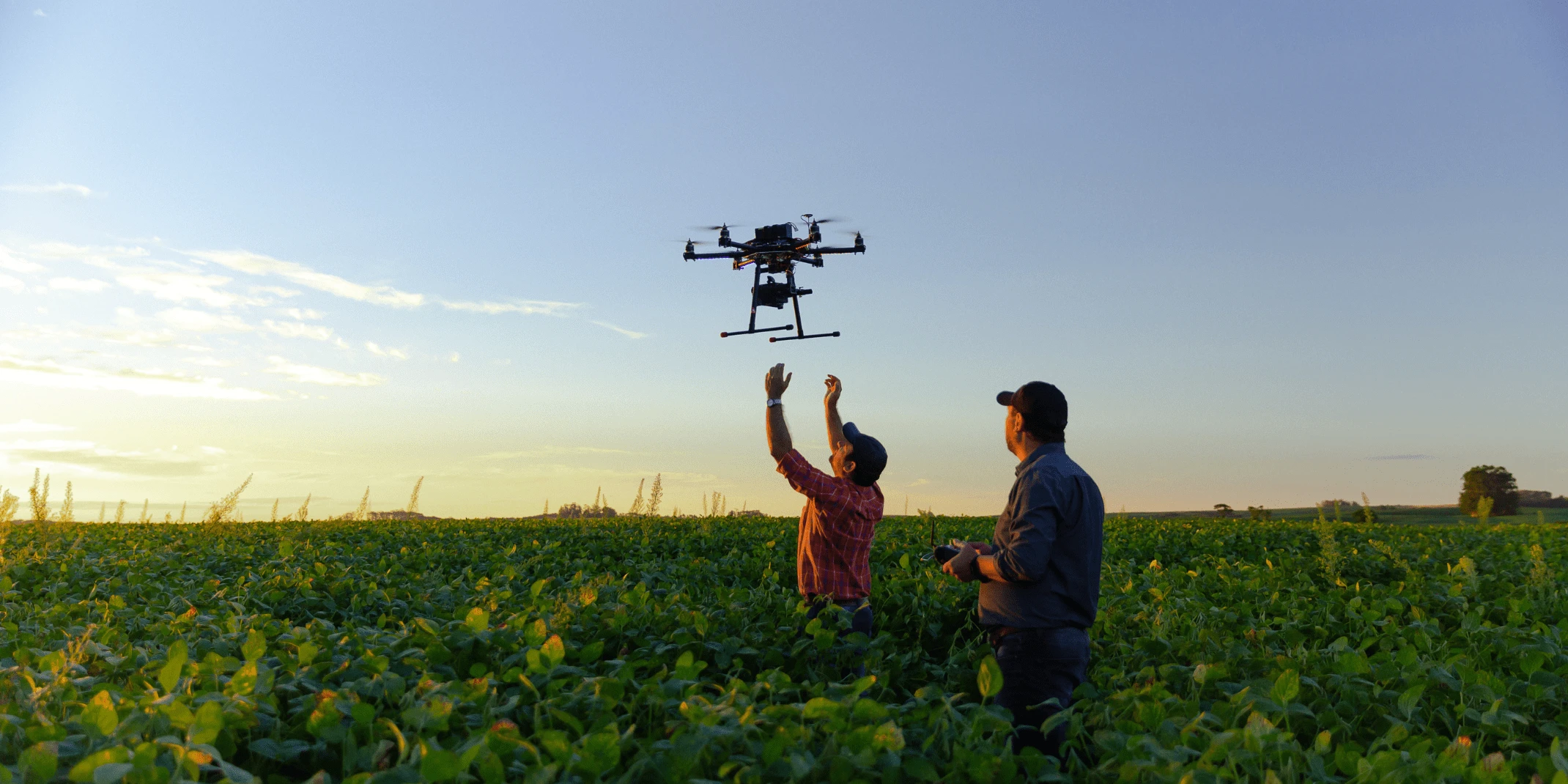
Scientific research plays a critical role in addressing sustainability challenges. Yet valuable research often fails to translate into real-world impact.
Elsevier’s Beyond 2030 report highlights this tension clearly. While research across climate, health, food systems and energy is advancing, too much of it struggles to convert into action.
Closing that gap is less about new discoveries, and more about collaboration.
Strong science does not guarantee sustainable impact
Interviewees in the report consistently note that scientific excellence, on its own, rarely drives system-level transformation.
The report highlights key examples. Technologies such as energy-efficient lighting or alternative fuels only delivered measurable impact once they were paired with:
Viable business models
Policy alignment
Implementation capacity
The pattern is consistent: knowledge creates possibility, and partnership creates scale.
Academia and industry move at different speeds
One recurring insight is structural misalignment.
Academic research is often long-term, curiosity-driven and evaluated through publication. Industry operates on shorter timelines, prioritising scalability and practical deployment.
This difference is not a flaw. But without coordination, it slows sustainability progress.
Where collaboration works best, interviewees report three common features:
Early alignment on shared objectives
Clarity about roles and incentives
Respect for scientific independence
The problem is not lack of innovation — it is lack of integration.
Read: 10 Rules for improving academia-industry collaboration in R&D
Mission-driven collaboration offers a way forward
The Beyond 2030 report highlights a growing shift toward mission-oriented research aligned with sustainability goals.
This approach helps:
Focus effort on defined societal challenges
Align public and private actors around shared outcomes
Reduce fragmentation across sectors
Mission-driven frameworks create a bridge between discovery and application. They give collaboration structure and direction.
Importantly, interviewees stress that collaboration is not synonymous with commercialisation. It is about solving complex, interconnected challenges by combining:
Scientific insight
Implementation expertise
Policy support
Read: What if universities could turn local challenges into global change?opens in new tab/window
Collaboration must be designed, not improvised
Despite growing recognition of the need for collaboration, structural barriers remain.
Interviewees identify:
Limited incentives for academics to engage beyond publication
Funding models that favour short-term outputs over long-term partnerships
Cultural differences between sectors
Narrow definitions of impact
Without changes to these systems, collaboration depends too heavily on individual relationships rather than institutional design.
Sustainable impact requires more than goodwill. It requires structural support.
What researchers and institutions can do now
The report provides practical next steps.
For researchers:
Engage earlier with partners who understand implementation contexts
Design projects with pathways to real-world application
Value interdisciplinary and applied work alongside discovery
For institutions and funders:
Support mission-oriented and cross-sector programmes
Broaden definitions of impact beyond publication metrics
Create incentives that reward sustained collaboration
The message is clear: collaboration should not be exceptional. It should be expected.
From knowledge to sustained impact
The Beyond 2030 report reinforces that sustainability challenges cannot be solved in silos. Impact depends on whether knowledge moves beyond journals and into systems.
When collaboration is intentional, research does not just inform change. It enables it.