
简介
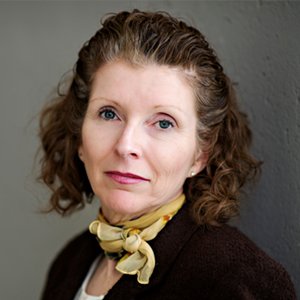
Prof. Susan Elliott
Editor-in-Chief of Social Science & Medicine, University of Waterloo, Canada
Dr. Susan J. Elliott is a Professor in the Department of Geography and Environmental Management and University Research Chair in Medical Geography at the University of Waterloo.
As a health geographer with a distinguished career, Professor Elliott has published over 200 peer-reviewed articles related to the global environment and health. Her research spans the built environment, socially constructed risks, and the physical environment's effects on health, always emphasizing the integration of science and policy. Her work is characterized by a transdisciplinary approach that includes partnerships with knowledge owners and users.
In her role as the head of the GoHelP lab at the University of Waterloo, she has supervised and mentored numerous successful graduate students and post-doctoral fellows. Her current research focuses on the intersection of health and environment, with particular emphasis on gender, water, and violence in Sub-Saharan Africa, aligning with the Sustainable Development Goals (SDGs). Additionally, she conducts research on the lifescape experiences and impacts of neglected chronic diseases in North America and beyond.
Professor Elliott's career also includes various leadership roles, such as Director of the Institute of Environment and Health (McMaster University), Senior Research Fellow at the United Nations University Institute for Water, Environment, and Health, Dean of Social Sciences (McMaster University), and Dean of Health Sciences (University of Waterloo). She is the editor-in-chief of Social Science and Medicine and co-editor-in-chief of Wellbeing, Space & Society.
Her contributions have significantly advanced understanding in areas such as the role of violence in WASH, climate change, and post-COVID-19 recovery, informing policy and practice. Elected as a Fellow of the African Academy of Sciences (AAS) in 2022, she actively contributes to shaping the Academy's strategic direction and supports its vision of transforming African lives through meaningful scientific collaboration.