Unfortunately we don't fully support your browser. If you have the option to, please upgrade to a newer version or use Mozilla Firefox, Microsoft Edge, Google Chrome, or Safari 14 or newer. If you are unable to, and need support, please send us your feedback.

Elsevier
Publish with us

Strengthening university impact through place-based strategies

Universities play a pivotal role in strengthening the economic, social and environmental well-being of their regions. Through research, partnerships and locally-grounded strategies, they help drive innovation, workforce development and community resilience. Insights and resources on this page highlight practical ways institutions can understand, demonstrate and enhance their impact while aligning with regional needs and national priorities.

Get notified of new content

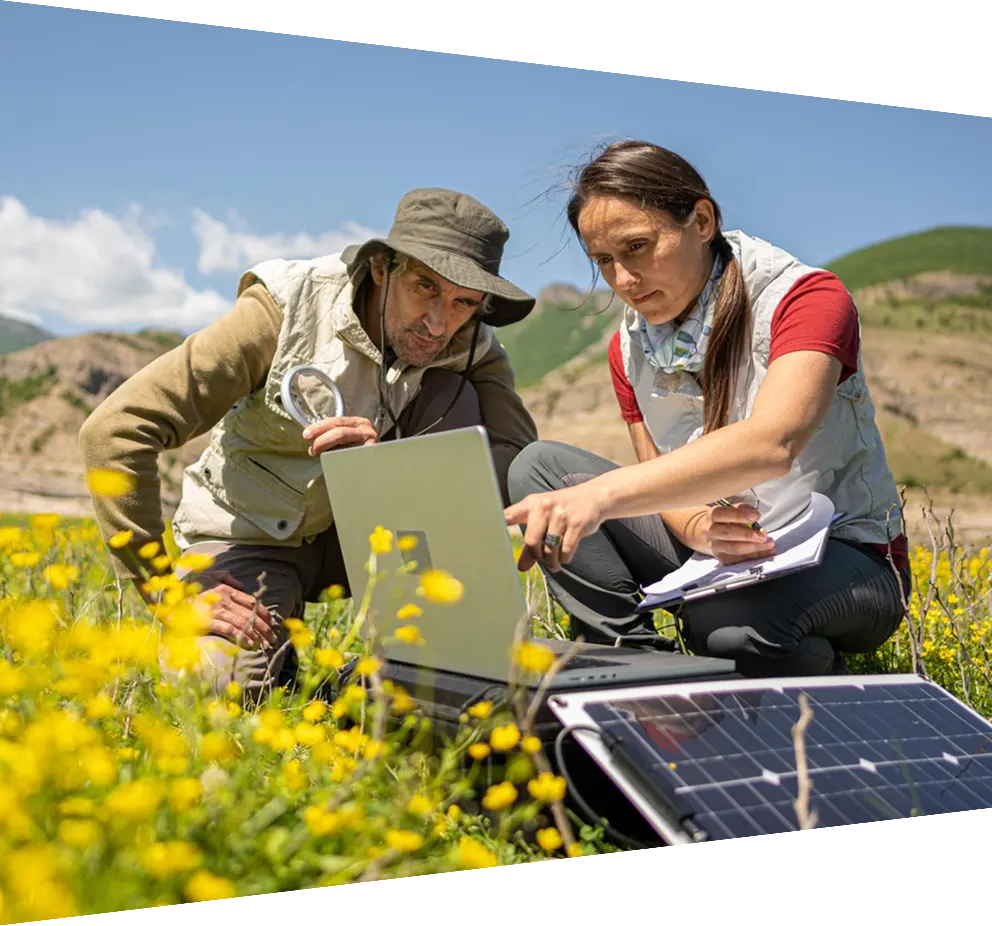
Ecologists team using AI-driven application powered by solar energy

The importance of place-based impact

Place-based impact describes how universities work with local and regional partners to strengthen the economic, social and environmental well-being of the regions in which they are located. It recognizes that institutions are not only global educators and research leaders but also anchors in their local communities — shaping skills, innovation, opportunity and long-term resilience.

Today, this work is more important than ever. Universities operate amid rapid regulatory and political change, declining public trust, tighter funding and growing global competition. Enrollment pressures and the need for revenue diversification mean institutions must demonstrate distinct value. Yet many struggle to understand, evidence and communicate their local impact or how it aligns with national priorities.

A place-based approach can help universities meet this moment, as it can provide a clear framework to embed place-based impact into strategy and show how they contribute to skills, growth and community well-being; build stronger partnerships; and remain competitive while advancing national objectives. By grounding strategy in regional needs, universities can strengthen their contribution, increase public trust and foster long-term sustainability.

Place-based policies for the future

Across OECD and EU regions, deepening spatial inequalities are leaving many communities feeling “left behind.” Placebased Policies for the Future synthesizes new OECD–European Commission research to show how tailored, locally-driven strategies can strengthen economic resilience, social cohesion and longterm sustainability. Drawing on expert papers and 2023 workshops, the report offers practical guidance for designing, implementing and evaluating more effective placebased policies.

Reports and resources

Explore a curated collection of resources that highlight emerging insights, evidence and frameworks shaping place-based impact, civic innovation and the evolving role of universities in their communities.

Universities and ‘economic placemaking’

Universities play a growing role in shaping the economic futures of their places — but the evidence base remains fragmented. This review synthesizes current research on how universities drive local innovation, skills, employment and structural change, while also highlighting where they may inadvertently reinforce inequalities. Commissioned through the UK’s National Civic Impact Acceleratoropens in new tab/window, it identifies gaps, emerging paradigms, and the need for stronger place-based approaches to support effective civic placemaking.

Towards the 4th generation university

Eindhoven University of Technology (TU/e) in the Netherlands exemplifies the emerging 4th generation university model by integrating education, research and innovation within its local ecosystem to drive societal impact. Co-developed with Elsevier, the report applies advanced data and technology classification analytics to illuminate TU/e’s role in the Brainport region’s high-tech industries, talent development and growing startup community.

The Tasmanian Societal Impact Model playbook

Discover how the Tasmanian Societal Impact Model (TSIM) — codeveloped by the University of Tasmania and Elsevier — helps institutions move beyond traditional performance metrics to plan, measure and amplify long-term societal impact. Built on a five step, place-based framework rooted in collaboration, data and theory of change, the playbook offers practical guidance for driving meaningful societal outcomes.

Back to Earth: Landing real-world impact in academic evaluation

Research communities worldwide are calling for better ways to evaluate and evidence real-world impact. Based on an international survey of researchers, academic leaders and funders, this report reveals widespread dissatisfaction with current evaluation systems and a strong mandate for more holistic approaches. It also outlines the barriers, opportunities and frameworks that could guide meaningful change.

Perspectives from the academic community

Around the world, institutions and their leaders are working to embed place-based impact more deeply into their institution’s mission and strategy. This collection brings together their reflections on partnering with communities, aligning local priorities with institutional goals, and navigating a fast-shifting higher education environment. These perspectives offer practical insight into how universities are strengthening their contribution to the places they are located and shaping more resilient, responsive models for the future.

Higher education must change course to thrive in a new era

University of Tasmania Vice-Chancellor Rufus Black argues that higher education has entered a fundamentally new era — one defined not by the tailwinds that once drove decades of growth, but by powerful headwinds reshaping economies and societies. As aging populations, rising resource costs, stalled productivity and geopolitical tension reverse the forces that once fueled progress, universities must rethink their purpose. To thrive, they will need to act as strategically central economic and social players, organizing around rapid problem-solving to help drive future prosperity

Reinventing land-grant universities to grow jobs, companies, talent and global competitiveness

Purdue University President Mung Chiang argues that America’s land-grant universities need a bold reinvention to meet the demands of a fast-changing economy. Created through the Morrill Act to expand practical education, these institutions now sit at the center of challenges shaped by global competition, rapid technological change and recent supply-chain disruptions. Their problem-solving mission uniquely positions them to partner with industry and government to cocreate jobs, develop talent pipelines and drive innovation, offering an opportunity to revitalize their historic role as engines of national progress.

Podcast: In conversation with Professor Dawn Freshwater

In this episode of Not Alone: Leaders in Conversation, host Rafael Bras speaks with Prof Dawn Freshwater, Vice-Chancellor of the University of Auckland, New Zealand. The conversation covers Prof Freshwater’s unique journey, from leaving school early to becoming a prominent academic leader across multiple continents. They delve into the challenges of higher education; the importance of fairness and justice; the effects of politicization on research; diversity, equity and inclusion (DEI); the role of universities in contemporary society; and leadership qualities in times of crisis. Prof Freshwater also reflects on her motivations, values and the importance of moral courage in leadership.

When land grants are working on all cylinders, their collaborative culture can foster entrepreneurialism and nurture the human talent that’s equipped to push the edge of innovation to even further lengths while facilitating the creation of jobs and businesses.
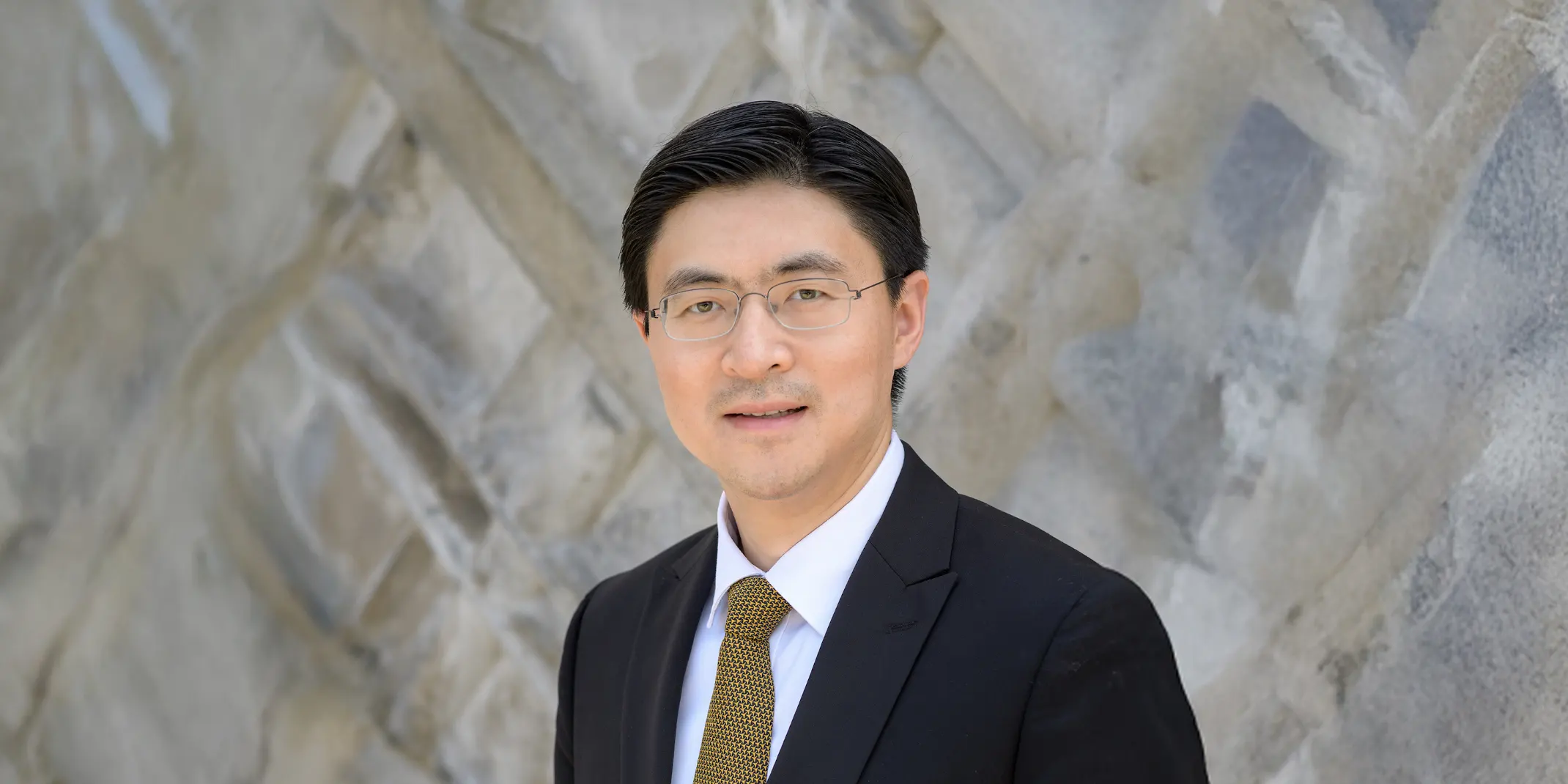
Headshot of Prof Mung Chiang, President of Purdue University

Mung Chiang, PhD

President | Roscoe H George Distinguished Professor of Electrical and Computer Engineering at Purdue University, USA at Purdue University

The 4th Generation University

University operating models describe how an institution creates, delivers and captures value across its core missions through its structure, partnerships, funding and governance. These models develop and evolve in response to shifts in economic conditions, policy and funding environments, technological change and societal expectations. All four of these dimensions are now undergoing shifts, placing additional pressure on universities globally.

In response, new models are emerging – including the “Fourth Generation University.” This model represents a shift from universities acting primarily as knowledge producers focused on commercialization to acting as mission-driven orchestrators of regional societal, innovation and economic systems.

4GU: A new model for higher education

A 4th Generation University (4GU) orchestrates and drives regional innovation, value co-creation and place-based impact through strategic partnerships across industry, government and civil society (the Quadruple Helix). In this model, the university serves as an anchor organization, orchestrating and co-creating with regional partners to transform the regional innovation ecosystem and deliver real-world impact.

The 4th Generation University Community

The 4th Generation University Community brings together universities, associations, companies and government agencies committed to strengthening regional innovation ecosystems. Its mission is to help institutions drive regional innovation, societal and economic impact through strategic partnerships across industry, government and civil society. Members share expertise, access emerging indicators of impact and connect globally to further their innovation ecosystems and advance the 4GU mission.

Get notified of new content

Sign up for Future aligned: Turning strategy into practice newsletter, a bi-monthly newsletter for academic leaders committed to building resilient, future-ready institutions.

Each issue offers practical guidance, insights and frameworks to help institutions align strategy with direction, and connect vision to action across priorities such as operational efficiency, digital transformation and institutional impact.