
Impact from Elsevier:可信賴的資料、專業建議與工作流程解決方案,協助機構做出更明智的決策

很遺憾,我們無法支援你的瀏覽器。如果可以,請升級到新版本,或使用 Mozilla Firefox、Microsoft Edge、Google Chrome 或 Safari 14 或更新版本。如果無法升級,而且需要支援,請將你的回饋寄給我們。
使用 Pure,將可信賴的研究資料轉換為清晰、可行的洞察力。它將績效數據、影響指標和外部基準集中在一個地方,幫助機構展示對社會的貢獻。研究策略與機構目標一致,決策以有力的證據為基礎,並有高品質、管理完善的資料支持,這些資料已準備好進行進階分析和負責任的 AI 使用。

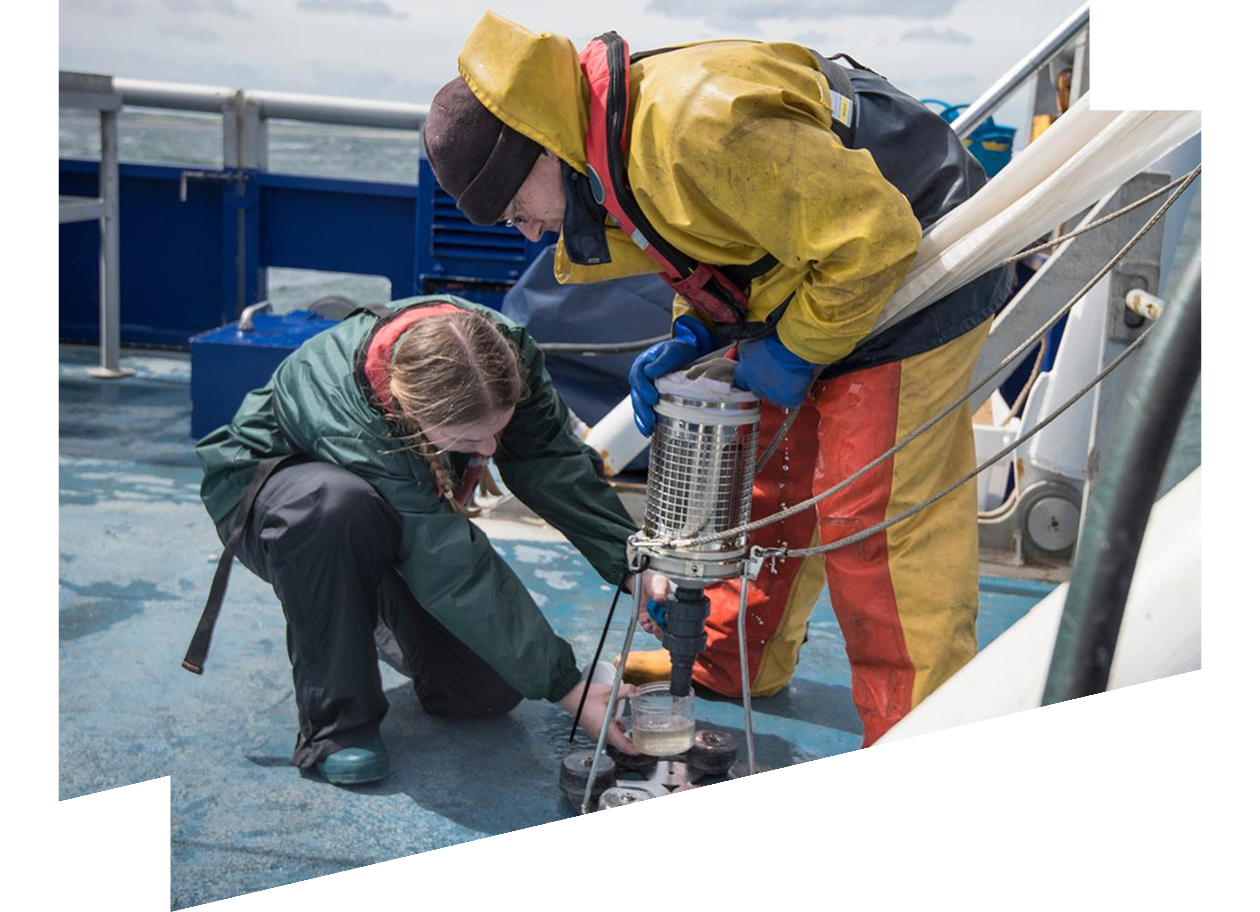
集研究成果、資金、合作和影響指標於一處 。Pure 的儀表板提供全機構研究績效與活動的明確檢視。領導者可以監控進度、發現差距並找出優勢。
自訂儀表板檢視,以符合您的待辦事項清單。 領導者可以自訂儀表板,以顯示特定的策略優先順序。
根據完整、即時且連結的資料,而非零碎的報告,更快速、更明智的決策。

以研究為導向,滿足全球需求。Pure 分析研究績效,並將產出與策略優先順序和全球挑戰(如聯合國永續發展目標)對應。
將令人信服的研究敘述建基於一致、經驗證的資料。Pure 將出版品、專案和成果與社會、臨床和政策影響力相連結。這讓領導者有能力為資金提供者、政府和利害關係人建立可信、以實證為基礎的故事。
我們的研究人員已開始以新的方式思考他們的研究活動。我們之前並沒有收集很多有關研究活動的資料,現在他們可以將這些資訊輸入單一平台。例如,我們可以評估研究人員對決策者或社會的影響。我認為,透過在一個地方看到所有這些資料,研究人員會以不同的方式來看待他們自己的工作和結果。Liene Nikitina-Zake 博士
Riga Stradins 研究部主任

可即時報告研究活動、績效和影響。Pure 讓領導者放心,他們所有的認證、資金提案和策略規劃都是最新且正確的。
快速且自信地回應利害關係人的要求 。所有報告均取自單一、受監管的真實資料來源,因此領導者和研究單位可以信任資料的準確性和一致性。

將可信賴的內部研究資料與外部基準和情境績效指標結合。Pure 讓領導者對研究的優勢、影響力和進展有完整、以實證為基礎的了解。
與領先的分析和文献計量工具整合 。Pure 可與 Scopus、SciVal 和 Web of Science 等系統互通,有助於豐富洞察力和擴展影響力分析。
隨時準備應對策略性 AI 需求 。Pure 的整合式資料基礎可讓機構做好準備,隨著策略需求的演進,應用進階分析和負責任的 AI 方法。
個案研究:為成長中的研究社群開發資訊系統
在此閱讀他們的案例研究 打開新的分頁/視窗Pure's Reporting Module enables institutions to build custom reports and dashboards across all research data in the system — outputs, funding, people, impact and more. Users can filter, group, visualize data and export results in multiple formats. Pre-built templates cover common use cases, and scheduled reporting supports ongoing monitoring. Because Pure is the single source of truth for institutional research data, every report is based on complete, quality-assured information — giving research leaders and administrators the confidence to make strategic decisions and respond to external reporting requirements accurately and efficiently.
Yes. Pure's Community Module is designed specifically for multi-institutional use, enabling research consortia, national bodies and university networks to share and aggregate research data across a federated group of Pure installations. Member institutions retain full control of their own data while contributing to a shared, network-level view. This enables cross-institutional reporting, collaborative research discovery and portfolio-level analytics — capabilities increasingly important for national research systems and regional partnerships. For national research systems and regional partnerships, this delivers a single, comparable evidence base — supporting benchmarking, strategic planning and demonstrable collective impact.
Pure includes built-in support for mapping research outputs and activities to the UN Sustainable Development Goals. Using automated keyword and topic analysis, Pure tags research content with relevant SDGs, enabling institutions to report on their contribution to the global sustainability agenda. This supports strategic decision-making, helps communicate societal impact to funders and the public and aligns with growing requirements from national funding bodies to demonstrate SDG relevance. SDG reporting through Pure is increasingly used by institutions worldwide to strengthen their international profile and evidence their commitment to responsible, impactful research. At Korea University, Professor Yong Sik Ok uses Pure to track SDG-linked publications in real time — with approximately 95% of his publications involving international co-authors across nearly 50 countries.
A RIMS centralizes the data required for national assessments and manages the quality assurance workflows for submission. Pure provides dedicated modules for the UK’s Research Excellence Framework (REF2029) and the Netherlands’ Standard Evaluation Protocol (SEP/KUOZ), streamlining what would otherwise be a highly manual, resource-intensive process. For institutions, this means stronger submission accuracy and greater confidence in output selection — without the administrative burden.
A RIMS gives research leaders real-time visibility across the institution’s full portfolio, enabling decisions on strategy, investment, and collaboration based on current data, not manually compiled snapshots. At the University of Kentucky, Pure supports responsible research assessment through the SCOPE Framework, helping leadership track $504 million in annual R&D activity and $925 million in economic impact while ensuring arts and humanities research is measured alongside STEM. For institutions navigating national assessments or funder reporting, a RIMS turns assumption into evidence.
