
Ultraprocessed foods linked to premature deaths
2022년 11월 14일
|
Ann Arbor
Consumption of ultraprocessed foods containing little or no whole foods in their ingredients contributed to 57,000 premature deaths in Brazil in 2019, investigators report in the American Journal of Preventive Medicine
Ultraprocessed foods (UPFs), ready-to-eat-or-heat industrial formulations made with ingredients extracted from foods or synthesized in laboratories, have gradually been replacing traditional foods and meals made from fresh and minimally processed ingredients in many countries. A new studyopens in new tab/window in the American Journal of Preventive Medicineopens in new tab/window, published by Elsevier, has found that increased consumption of these foods was associated with more than 10% of all-cause premature, preventable deaths in Brazil in 2019, although Brazilians consume far less of these products than countries with high incomes.
“Previous modelling studies have estimated the health and economic burden of critical ingredients, such as sodium, sugar and trans fats, and specific foods or drinks, such as sugar sweetened beverages,” explained lead investigator Eduardo A.F. Nilson, ScD, Center for Epidemiological Research in Nutrition and Health, University of São Paulo, and Oswaldo Cruz Foundation, Brazil. “To our knowledge, no study to date has estimated the potential impact of UPFs on premature deaths. Knowing the deaths attributable to the consumption of these foods and modeling how changes in dietary patterns can support more effective food policies might prevent disease and premature deaths.”
Dr. Nilson and his colleagues modeled data from nationally representative dietary surveys to estimate baseline intakes of UPFs by sex- and age-group. Statistical analyses were used to estimate the proportion of total deaths that were attributable to the consumption of UPFs and the impact of reducing intake of UPFs by 10%, 20%, and 50% within those age groups, using data from 2019.
Across all age groups and sex strata, consumption of UPFs ranged from 13% to 21% of total food intake in Brazil during the period studied. A total of 541,260 adults aged 30 to 69 died prematurely in 2019, of whom 261,061 were from preventable, noncommunicable diseases. The model found that approximately 57,000 deaths that year could be attributed to the consumption of UPFs, which corresponded to 10.5% of all premature deaths and 21.8% of all deaths from preventable noncommunicable diseases in adults aged 30 to 69. The investigators suggested that in high income countries such as the United States, Canada, the UK, and Australia, where UPFs account for more than half of total caloric intake, the estimated impact would be even higher.
Dr. Nilson noted that UPFs have steadily replaced the consumption of traditional whole foods, such as rice and beans, over time in Brazil. Reducing the consumption of UPFs and promoting healthier food choices may require multiple interventions and public health measures, such as fiscal and regulatory policies, changing food environments, strengthening the implementation of food-based dietary guidelines, and improving consumer knowledge, attitudes, and behavior.
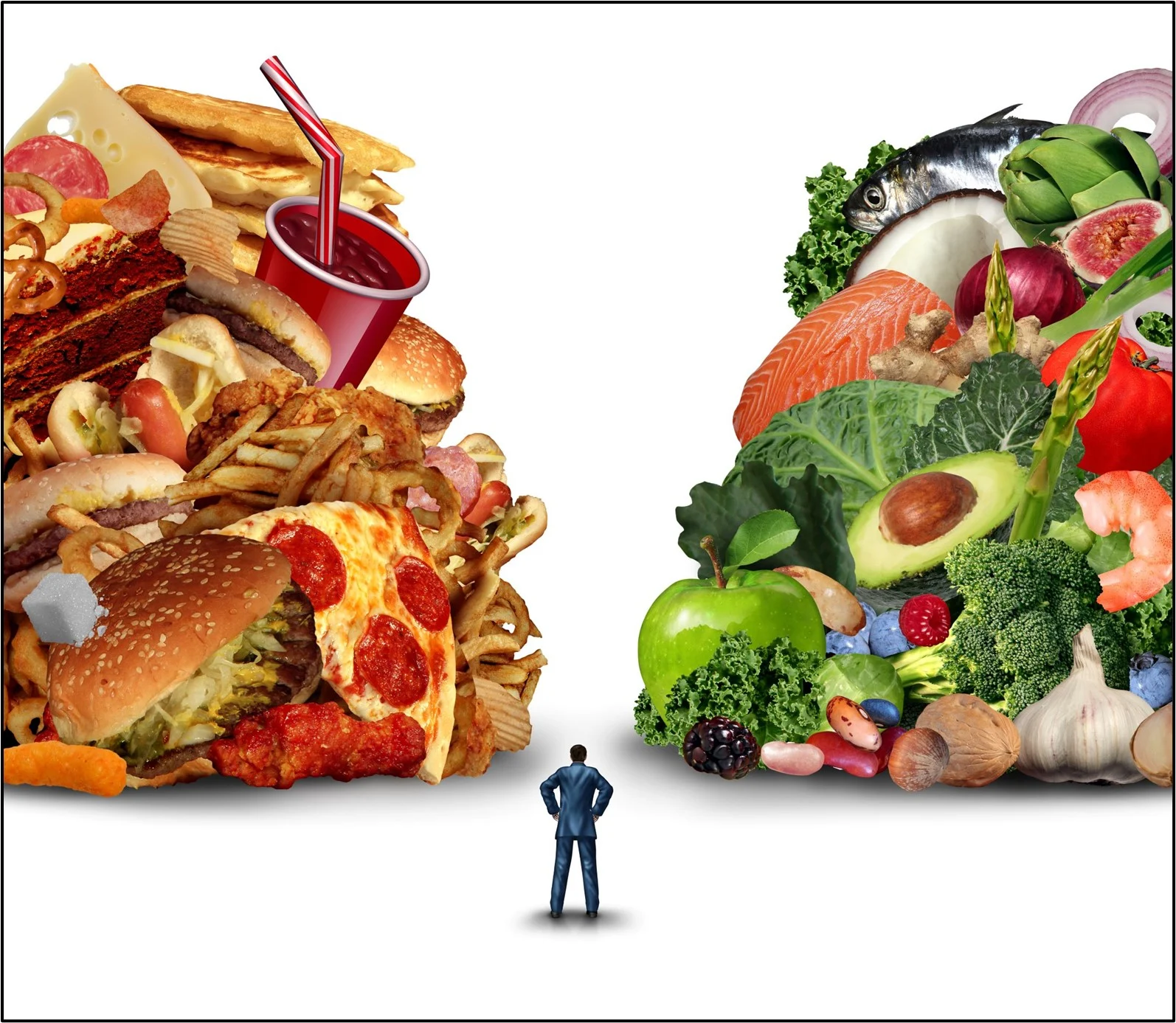
Ultraprocessed foods (UPFs) have gradually been replacing traditional foods and meals made from fresh and minimally processed ingredients in many countries (Credit: iStock.com/wildpixel).
Reducing consumption of UPFs by 10% to 50% could potentially prevent approximately 5,900 to 29,300 premature deaths in Brazil each year.
“Consumption of UPFs is associated with many disease outcomes, such as obesity, cardiovascular disease, diabetes, some cancers, and other diseases, and it represents a significant cause of preventable and premature deaths among Brazilian adults,” said Dr. Nilson. “Even reducing consumption of UPFs to the levels of just a decade ago would reduce associated premature deaths by 21%. Policies that disincentivize the consumption of UPFs are urgently needed.”
Having a tool to estimate the deaths attributable to consumption of UPFs can help countries estimate the burden of dietary changes related to the industrial processing of food and design more effective food policy options to promote healthier food environments.
Examples of UPFs are prepackaged soups, sauces, frozen pizza, ready-to-eat meals, hot dogs, sausages, sodas, ice cream, and store-bought cookies, cakes, candies, and doughnuts.
---
Notes for editors
The article is “Premature Deaths Attributable to the Consumption of Ultraprocessed Foods in Brazilopens in new tab/window,” by Eduardo A.F. Nilson, ScD, Gerson Ferrari, PhD, Maria Laura C. Louzada, PhD, Renata B. Levy, PhD, Carlos A. Monteiro, PhD, and Leandro F.M. Rezende, ScD (https://doi.org/10.1016/j.amepre.2022.08.013opens in new tab/window). It appears online in advance of the American Journal of Preventive Medicine, volume 64, issue 1 (January 2023), published by Elsevier.
Full text of this article is also available to credentialed journalists upon request; contact Jillian B. Morgan at +1 734 936 1590 or [email protected]opens in new tab/window. Journalists wishing to interview the authors should contact Murilo Bomfim, Communications Coordinator, University of São Paulo, at +55 11 9 8197 1261 or [email protected]opens in new tab/window.
About the American Journal of Preventive Medicine
The American Journal of Preventive Medicineopens in new tab/window is the official journal of the American College of Preventive Medicineopens in new tab/window and the Association for Prevention Teaching and Researchopens in new tab/window. It publishes articles in the areas of prevention research, teaching, practice and policy. Original research is published on interventions aimed at the prevention of chronic and acute disease and the promotion of individual and community health. The journal features papers that address the primary and secondary prevention of important clinical, behavioral and public health issues such as injury and violence, infectious disease, women's health, smoking, sedentary behaviors and physical activity, nutrition, diabetes, obesity, and alcohol and drug abuse. Papers also address educational initiatives aimed at improving the ability of health professionals to provide effective clinical prevention and public health services. The journal also publishes official policy statements from the two co-sponsoring organizations, health services research pertinent to prevention and public health, review articles, media reviews, and editorials.
엘스비어 소개
엘스비어는 첨단 정보와 의사결정 지원 분야의 글로벌 선도 기업으로 100년 넘게 과학과 헬스케어의 발전을 지원하며 인류 진보에 기여해 왔습니다. 우리는 170개국 이상에서 학술 및 기업 연구 커뮤니티, 의사, 간호사, 미래의 의료 전문가와 교육자들을 지원합니다. 근거에 기반한 신뢰할 수 있는 과학·의학 콘텐츠와 최첨단 AI 기술을 결합해 중요한 통찰과 혁신적인 솔루션을 제공해, 의미있는 성과를 이루도록 돕고 있습니다. 또한 다양성과 지속 가능성을 제품과 기업 문화 전반에 내재화하며, 우리가 속한 커뮤니티와 협력합니다. 엘스비어 재단opens in new tab/window은 전 세계에서 연구와 보건 파트너십을 지원합니다.
엘스비어는 전문가 및 기업 고객에게 정보 기반의 분석과 의사결정 도구를 제공하는 글로벌 기업 RELXopens in new tab/window의 일원입니다. 자세한 내용은 www.elsevier.com에서 확인할 수 있으며, 소셜미디어 @elsevierconnect를 통해 최신 소식을 받아보실 수 있습니다.
연락처
JBM