
2026 Materials Today Rising Star Award Winners
The Materials Today Rising Star Awards recognize researchers in materials science and engineering who have demonstrated exceptional talent and promise, and who have shown significant potential to become future leaders in their field.
This year, we are excited to announce 10 winners across 5 different research fields:
Biomaterials
Energy Conversion & Storage
Materials Data Science & AI
Sustainability
Quantum Materials & Electronics
These researchers have been selected not only for the outstanding quality of their work, but also for the real impact their contributions have had in their fields of study. To celebrate their achievements, we have compiled selected work from the winners into a special article collection, free to access and download for 90 days.
We invite you to learn more about the winners below and encourage you to view our special article collection, featuring selected works from these inspiring researchers!
Biomaterials
Bowen Li
Associate Professor; GSK Chair in Pharmaceutics and Drug Delivery; Canada Research Chair in RNA Vaccines and Therapeutics, Institute of Biomedical Engineering & Department of Chemistry (cross-appointed), University of Toronto, Canada
Sponsoring journal: Materials Todayopens in new tab/window
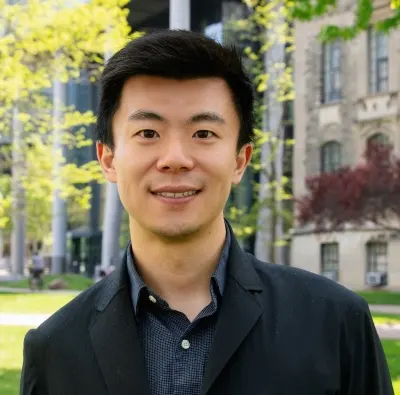
Bowen Li
Can you tell us a little about your research interests? My research focuses on AI-driven biomaterials and non-viral delivery systems for nucleic acid therapeutics. We integrate machine learning, autonomous experimentation, and nanomedicine to develop tissue-specific delivery technologies for mRNA, circRNA, tRNA, CRISPR genome editors, and other genetic medicines.
What excites you about biomaterials research? Biomaterials research sits at the interface of materials science, biology, and medicine. I am particularly excited by the opportunity to combine AI with biomaterials discovery to accelerate the development of delivery systems that can unlock the full therapeutic potential of genetic medicines.
What are you currently researching? Our laboratory is developing autonomous AI platforms for lipid nanoparticle discovery and engineering delivery technologies for extrahepatic genetic medicines, with applications in rare genetic diseases, cancer immunotherapy, regenerative medicine, and vaccines.
What are your future research goals? Our long-term goal is to establish programmable, tissue-specific delivery platforms that enable safe and effective in vivo delivery of next-generation nucleic acid therapeutics, making genetic medicines accessible for a broad range of currently untreatable diseases.
Liliang Ouyang
Associate Professor, Department of Mechanical Engineering, Tsinghua University, China
Sponsoring journal: Materials Today Bioopens in new tab/window
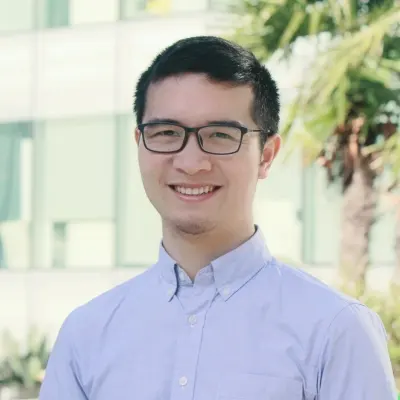
Liliang Ouyang
Can you tell us a little about your research interests? My research interests include the design, fabrication, and application of complex biomaterial and cellular systems, with a central focus on the development of 3D bioprinting and advanced biofabrication technologies for regenerative medicine and engineering in vitro living systems.
What excites you about biomaterials research? What excites me most about biomaterials research is its powerful interdisciplinary potential spanning materials science, engineering, and biomedicine. It lays a solid material foundation for diagnosis and therapy, and drives transformative biotechnological advances. Focusing on the biofabrication of biomaterials and cellular systems, I am fascinated by the possibility of engineering functional tissues and organs through biomimetic design and manufacturing, which makes my research extremely rewarding and inspiring.
What are you currently researching? My current research focuses on developing tailored bioinks and 3D bioprinting systems for functional tissue and organ construction. I aim to integrate engineered controllable assembly with biological self-assembly to decode in vitro tissue development. From the perspective of cellular microenvironments, my group has been dedicated to structured bioinks and modular 3D bioprinting to support tissue regeneration and in vitro tissue modeling.
What are your future research goals? We will further explore the core scientific challenges in biofabrication and uncover the principles of cellular behaviors during functional tissue formation. By developing innovative biomaterials and next-generation biofabrication technologies, I intend to resolve critical bottlenecks in tissue vascularization and neuralization, and advance the clinical translation of cell-based biofabrication and tissue engineering products.
Quanyin Hu
Joseph R. and Bonna A. Robinson Distinguished Chair; Associate Professor, School of Pharmacy, University of Wisconsin-Madison, United States of America
Sponsoring journal: Materials Today Nanoopens in new tab/window
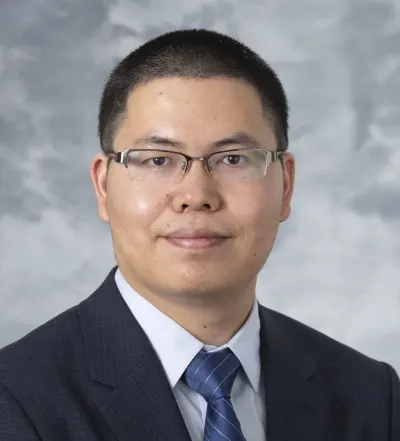
Quanyin Hu
Can you tell us a little about your research interests? The primary emphasis of my research program is to study the key design principles of drug delivery systems and leverage this understanding to rationally design better drug delivery systems for improved efficacy for small molecules and protein therapeutics, with a particular focus on engineering endogenous cell- and cell derivatives-based drug delivery carriers for immunotherapeutics.
What excites you about biomaterials research? For this research, the most exciting thing to me is that we address the long-standing challenges in the lysosome-targeting chimeras (LYTACs). The wide applications of LYTACs are currently restricted by two barriers: non-recyclability and endocytic receptor dependence. In our most recent Nature Biotechnology paper, using a zwitterionic biomaterial, we explored a novel receptor-independent and active recycling mechanism for LYTACs and established a macropinocytosis-mediated recyclable LYTACs (McR-TACs) platform.
What are you currently researching? Our lab is currently focusing on expanding the biomedical application of targeted protein degraders developed in the lab and developing more engineering tools for cell delivery and cell therapy.
What are your future research goals? I hope we can translate some of the new therapeutics or delivery systems developed in our lab for clinical applications in the near future.
Energy Conversion & Storage
Xianbiao Fu
Assistant Professor, Department of Materials Science and Engineering, National University of Singapore (NUS), Singapore
Sponsoring journal: Materials Todayopens in new tab/window
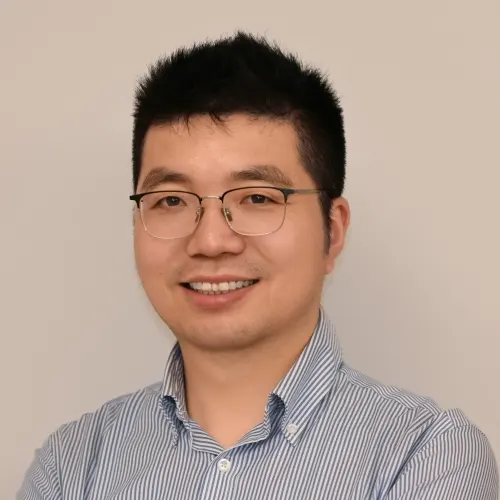
Xianbiao Fu
Can you tell us a little about your research interests? My research interests center on energy conversion and electrified chemical production, covering both Power-to-Chemicals and Chemicals-to-Power. I aim to understand and control how the dynamic evolution of heterogeneous electrocatalyst surfaces and catalyst-electrolyte interfaces under operating conditions governs activity, selectivity, and stability. Building on these fundamental insights, I seek to develop new approaches in electrocatalysis, electrochemical engineering, and mediator-enabled electrosynthesis for efficient energy and chemical conversion. A particular interest is nitrogen activation: we have recently explored asymmetric-site catalysts as a strategy to understand and overcome the intrinsic difficulty of nitrogen activation, with the broader goal of enabling sustainable ammonia synthesis under mild conditions. I am also interested in the electrosynthesis of key pharmaceutical precursors and the efficient electrochemical utilization of energy-rich molecules.
What excites you about energy research? What excites me most about Energy Conversion & Storage is the opportunity to address the intermittent and fluctuating nature of renewable energy while fundamentally transforming how chemicals are manufactured. Renewable electricity can be stored directly in chemical bonds, enabling the production of energy-dense chemicals and fuels through Power-to-Chemicals. A moment that captured this excitement for me came in 2022, when we demonstrated continuous electrochemical ammonia synthesis at ambient temperature and pressure by coupling nitrogen reduction with hydrogen oxidation. We captured the gaseous ammonia in hydrochloric acid and, after removing the solvent, obtained solid ammonium chloride. It was a striking moment: the nitrogen atoms in ammonia came directly from nitrogen gas, while its three hydrogen atoms ultimately came from hydrogen gas through the hydrogen oxidation reaction. All of this occurred under ambient conditions. Seeing electricity, nitrogen, and hydrogen transformed into a tangible chemical product made the concept of Power-to-Chemicals feel remarkably real. More broadly, by integrating catalyst design, interfacial science, ion and molecular transport, and reactor engineering, electrochemistry offers a powerful route to replace energy-intensive thermochemical processes with more efficient, flexible, and sustainable technologies. This convergence of energy conversion and chemical manufacturing is what I find particularly exciting.
What are you currently researching? My group is currently working to understand why nitrogen activation is intrinsically difficult and to explore new pathways for activating nitrogen under mild conditions. Building on this fundamental understanding, we are developing more sustainable routes to ammonia synthesis, with a particular focus on metal-mediated nitrogen reduction for electrochemical ammonia synthesis. We are advancing these systems toward solid-state configurations, dynamic interfacial control, and operation at high current densities, with the aim of bridging fundamental chemistry and practical reactor performance. Beyond ammonia synthesis, we are exploring the electrosynthesis of key pharmaceutical precursors and developing new catalysts for the hydrogen oxidation reaction in non-aqueous electrolytes. Across these directions, we extensively employ in situ and operando techniques to capture dynamic catalyst and interface evolution, uncover reaction mechanisms, and use these insights to guide the design of new catalytic pathways.
What are your future research goals? My long-term goal is to establish a fundamental and engineering framework for electrified chemical production that combines scientific originality with clear pathways toward practical application. I aim to uncover new principles governing catalyst dynamics, interfacial processes, molecular mediation, and reaction pathways, while translating these discoveries into scalable electrochemical technologies powered by renewable electricity. A central objective is to bridge molecular-level understanding with process-level performance, enabling difficult chemical transformations to proceed selectively and efficiently under mild conditions and ultimately supporting the sustainable production of important chemicals and fuels at practically relevant rates, efficiencies, and scales.
Yao Yang
Assistant Professor, Department of Chemistry and Chemical Biology, Cornell University, United States of America
Sponsoring journal: Materials Today Catalysisopens in new tab/window
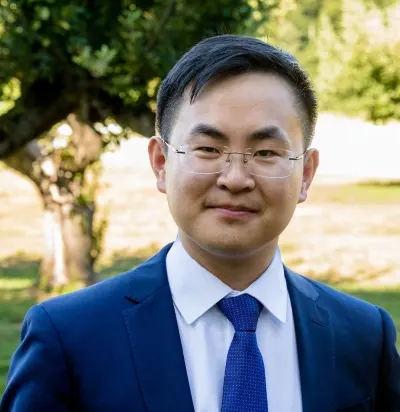
Yao Yang
Can you tell us a little about your research interests? Our group focuses on developing multimodal operando electron microscopy and synchrotron-based X-ray methods to address grand challenges in probing chemical dynamics of energy materials at solid-liquid interfaces across multiple spatiotemporal scales. We are pushing and defining the frontier of operando electrochemical liquid-cell scanning transmission electron microscopy (EC-STEM), equipped with four-dimensional (4D) STEM, to interrogate dynamic structural evolution of electrocatalysts at the atomic scale.
What excites you about energy research? I am very excited and honored to receive the Materials Today Rising Star Award in the field of Energy Conversion & Storage, particularly because it recognizes my favorite area of energy research: catalysis at the crossroads of chemistry, materials science and engineering. The molecular and structural pictures of electrocatalysts have a delicate interplay in which catalysts are designed to effectively turn over molecules into desirable products, while molecules often drive the dynamic catalyst evolution. The latter is underappreciated and presents exciting research opportunities.
What are you currently researching? I have been studying interfacial electrocatalysis for more than 10 years spanning from hydrogen fuel cells and water electrolysis involving HER/HOR and OER/ORR, to more complex reactions such as CO2 reduction and NH3 production. Recently, our group has been developing a new-generation operando EC-STEM platform that can probe atomic-scale chemical and structural mapping and simultaneously acquire quantitative electrochemistry that diagnoses catalyst (de)activation and battery failure across a wide range of temperatures.
What are your future research goals? Our group is dedicated to investigating dynamic catalyst evolution under far-from-equilibrium conditions (i.e. strongly reducing/oxidizing potentials). We plan to launch joint experiment and theory approaches to provide direct molecular and structural evidence of catalyst evolution kinetics and active sites. Our multimodal operando methods can be broadly applied to other energy systems such as batteries.
Yuxuan Xiang
Assistant Professor, School of Engineering, Westlake University, China
Sponsoring journal: Materials Today Energyopens in new tab/window
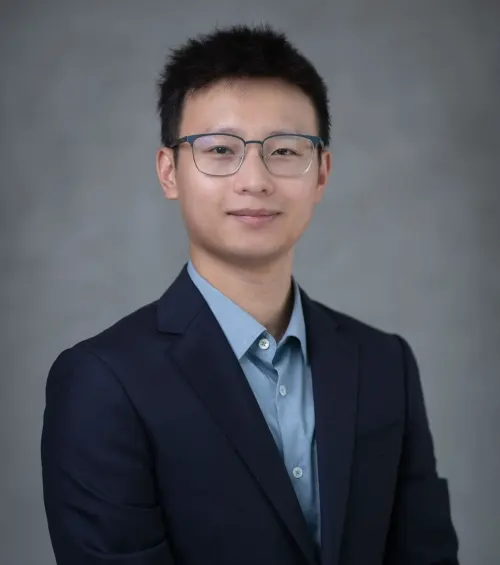
Yuxuan Xiang
Can you tell us a little about your research interests? Advanced multinuclear solid-state NMR characterization of next-generation batteries, with a focus on interfacial chemistry, degradation mechanisms, and structure–performance relationships.
What excites you about energy research? What excites me most is the opportunity to make hidden battery processes observable and measurable. By revealing when, where, and how interfacial degradation occurs, we can move beyond empirical optimization and develop clearer principles for designing safer, longer-lasting, and higher-energy batteries.
What are you currently researching? My group is studying the interfacial chemistry and failure mechanisms of next-generation batteries using multinuclear solid-state NMR and complementary characterization methods. We are particularly interested in understanding heterogeneous battery interfaces under realistic operating conditions and developing strategies to improve energy density, safety, and cycle life.
What are your future research goals? My long-term goal is to connect atomic-scale interfacial chemistry with the performance and failure of practical batteries. I hope to develop quantitative descriptors of battery degradation and use them to guide the design of safe, durable, and commercially relevant energy-storage technologies.
Materials Data Science & AI
Shijing Sun
Associate Professor in Materials Science, Department of Materials Science & Metallurgy, University of Cambridge, United Kingdom
Sponsoring journal: Materials Todayopens in new tab/window
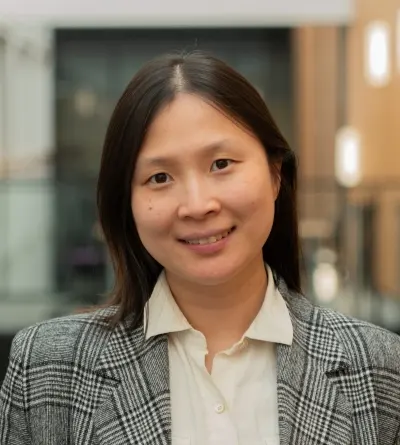
Shijing Sun
Can you tell us a little about your research interests? My research integrates materials chemistry, artificial intelligence and automation to establish “self-driving” laboratories for accelerated materials development. In these laboratories, AI does not merely analyse completed datasets: it selects the next experiment, perceives the outcome through computer vision and multimodal characterisation, and learns how synthesis conditions determine structure and performance. My group applies this approach to energy materials, with applications in photovoltaics, energy storage and carbon capture.
What excites you about Materials Data Science & AI research? I am particularly excited by how AI is changing the way materials are made. It can take over 20 years to bring a new material from lab to market, and much of that time is spent on trial-and-error synthesis. However, AI has mostly been applied to computational materials science. Today, AI can act as an active partner in the wet lab, guiding experimental materials research and turning processing knowledge that was once tacit into data that can be measured, shared and learned from.
What are you currently researching? Our current work applies the self-driving lab approach to two classes of organic–inorganic hybrid materials: halide perovskites and metal–organic frameworks. Both are highly tuneable with large compositional spaces. We are developing automated workflows and data analysis methods to accelerate the screening and selection of these materials towards desired functionalities.
What are your future research goals? My goal is to move Materials Data Science beyond property prediction toward understanding and controlling materials formation. I am interested in learning how humans, AI and robots can work together to foster a collaborative intelligence ecosystem, where human scientists are empowered, not replaced, by emerging technologies.
Sustainability
Kurtis Carsch
Assistant Professor of Chemistry, Department of Chemistry, The University of Texas at Austin, United States of America
Sponsoring journal: Materials Todayopens in new tab/window
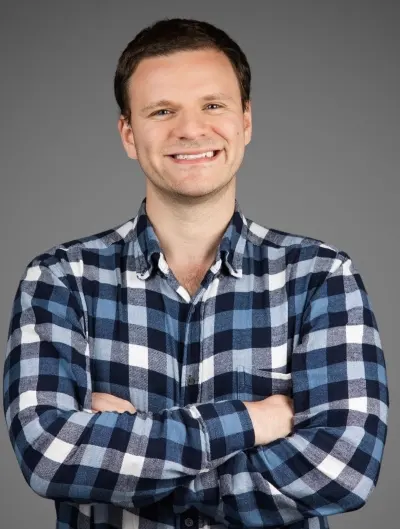
Kurtis Carsch
Can you tell us a little about your research interests? My research focuses on developing new molecular-based approaches to the synthesis and design of porous materials, particularly in the synthesis of materials that can selectively capture, store, and convert isotopologues. I am especially interested in bringing concepts from organometallic chemistry into materials science to create porous materials with unusual chemical properties and functionality.
What excites you about sustainability research? What excites me most in sustainability is the opportunity to rethink how we approach challenges in energy and resource use at the molecular level. Sustainability creates a compelling motivation to develop fundamentally new chemistry that can make processes such as carbon capture, gas purification, drug design, and energy storage more efficient and practical.
What are you currently researching? My group is developing porous materials with highly reactive metal sites that can selectively interact with small molecules such as hydrogen and oxygen. We are also exploring ways to make traditionally insoluble porous materials processable as liquids, polymers, and membranes, which could open entirely new applications for these materials.
What are your future research goals? My long-term goal is to develop a new generation of porous materials whose chemical reactivity and processability can be tuned with the same precision as one would deploy for a molecular catalyst. I hope to use this approach to address challenging separations and energy problems while uncovering fundamental connections between molecular chemistry and materials behavior.
Quantum Materials & Electronics
Jian Tang
Assistant Professor, School of Physics, Zhejiang University, Hangzhou, China
Sponsoring journal: Materials Today Quantumopens in new tab/window
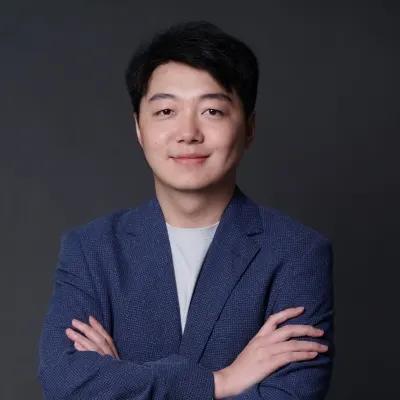
Jian Tang
Can you tell us a little about your research interests? My research interest focuses on discovering, understanding, and controlling emergent quantum states in low-dimensional materials and devices.
What excites you about quantum materials & electronics research? What excites me most is the possibility that a new quantum state discovered in an atomically thin crystal could change how we process and store information. Topological materials offer a compelling opportunity: their boundary states can be protected against certain types of disorder, opening paths to robust, low-dissipation electronics and new ways to control electron spin. The ability to electrically manipulate these states could enable energy-efficient, reconfigurable devices, while integrating them with superconductivity offers exciting prospects for topological quantum computing. For me, the ambition is to make topology an active resource for technology—to discover new quantum phenomena, learn how to control them, and use them to establish new operating principles for future electronics.
What are you currently researching? I am currently investigating the interplay of topology, electron correlations, symmetry, and lattice degrees of freedom in 2D quantum materials and van der Waals heterostructures. Our goal is to uncover new topological and correlated phases, deepen our understanding of quantum matter, and explore novel device concepts that harness these quantum phenomena.
What are your future research goals? My long-term vision is to turn new quantum states of matter into the building blocks of future electronics. We aim to discover and control novel topological and correlated phases, harnessing their unique properties to develop devices based on new physical principles. Building on this foundation, I hope to advance scalable fabrication and integration, moving from individual quantum devices toward functional chips for practical computing and memory applications.
Md Shafayat Hossain
Assistant Professor, Department of Materials Science and Engineering, University of California, Los Angeles, California, United States of America
Sponsoring journal: Materials Todayopens in new tab/window

Md Shafayat Hossain
Can you tell us a little about your research interests? Two things can defeat a measurement: the signal can be too weak to detect, or the background can be so strong that it drowns out the signal. In both cases, the central challenge is distinguishing the information we seek from everything else. Quantum materials and quantum correlations offer two complementary ways to overcome this limit. My group works at both extremes. For weak signals, we use quantum materials poised near phase boundaries, where competing orders, broken symmetries, topology, and strong interactions create exceptionally large responses to small perturbations. A weak field, minute strain, or few-photon excitation can then reorganize the electronic state, while topological protection can make selected responses unusually robust against disorder. For overwhelming backgrounds, we exploit correlated photon pairs created together with precisely defined timing: detection of one photon identifies when its partner should arrive, allowing the desired signal to be selected while uncorrelated background is rejected. We connect these two frontiers by imaging quantum states atom by atom with scanning tunneling microscopy, interrogating them with quantum and classical light, and developing new measurement capabilities when existing instruments cannot access the physics.
What excites you about quantum materials & electronics research? It is fascinating how slight changes can reorganize an entire electronic state. In a low-density two-dimensional electron gas, simply reducing the carrier density can drive composite fermions to polarize spontaneously. That is how we observed Bloch ferromagnetism—a state proposed in 1929 but inaccessible in ordinary electrons because Wigner crystallization intervenes first. In Ta₂Pd₃Te₅, an equally delicate balance appears in a different form: a slight overlap of conduction and valence bands allows electron–hole attraction to bind excitons, which then condense into a topological excitonic insulator envisioned more than half a century ago. Both phases waited for decades. They emerged in our experiments when we found systems balanced closely enough that interactions could tip the ground state. I see this delicacy as a way to achieve high detection sensitivity. If a tiny field, minute strain, or even a single photon can reorganize a quantum state, then that material can amplify an extraordinarily weak perturbation into a measurable response. If the resulting conduction channel remains robust at higher temperatures, or if we can read the response without an applied bias, we can immediately consider new technological applications.
What are you currently researching? Three obstacles stand between a quantum phase and its application as a useful sensor: temperature, readout, and environment. My research group is addressing all three challenges. Temperature: In Bi₄Br₄, we observed a quantum spin Hall edge state at room temperature, ambient pressure, and zero magnetic field, with a bulk gap approximately ten times larger than the thermal energy at 300 K. This finding shifts the focus; the challenge is no longer solely to create a sufficiently large topological gap but also to maintain the protected channel against inelastic scattering. With NSF support, we are engineering the phonon spectrum to suppress the modes that most significantly degrade topological transport. Readout: A sensitive quantum state is only useful if it can be measured without overwhelming or perturbing it. I have developed symmetry-resolved photocurrent microscopy to map Berry curvature and broken electronic symmetries without applying an electrical bias. Environment: Some of the most critical sensing problems arise where conventional instrumentation fails. For example, inside a fusion reactor, radiation can make the optical environment glow more intensely than the returning signal. We are developing a sensor to reject that background. This same philosophy applies to even weaker signals. Through a DARPA Young Faculty Award, we are developing a chiral Weyl semimetal detector for vacuum fluctuations. Overall, we leverage the exceptional sensitivity, symmetry, and correlations of quantum matter to achieve measurement capabilities that conventional sensors cannot match.
What are your future research goals? The vacuum is not truly empty, and I aim to build a detector that can measure what lies within it. My long-term objective is to build quantum-material detectors that are sensitive to fluctuations. One approach I am exploring involves using topological materials near phase boundaries as finite-time detectors of the quantum vacuum. Ultimately, I hope to probe vacuum correlations and convert them into measurable electronic, spin, or photonic signals. Meanwhile, we are developing quantum correlation-based sensors for environments overwhelmed by background noise, where conventional electronics and optical diagnostics fail. The underlying challenge is the same: the information exists, yet ordinary measurements cannot retrieve it. My goal is to engineer quantum materials and harness quantum correlations to make this information measurable.