Unfortunately we don't fully support your browser. If you have the option to, please upgrade to a newer version or use Mozilla Firefox, Microsoft Edge, Google Chrome, or Safari 14 or newer. If you are unable to, and need support, please send us your feedback.

We'd appreciate your feedback.Tell us what you think!

Elsevier
Publish with us

Researcher Voices: Your science, your perspectives

Amplifying science stories, exchanging personal perspectives and sharing researcher experiences.

Female researcher taking a water sample

We learn more when we listen

Researcher Voices is an Elsevier program that spotlights researchers and health professionals. It offers a platform where they can share their science, perspectives, and experiences while learning from peers and gaining critical insights from opinion leaders.

Amplify science

Discover inspiring stories about research and healthcare outcomes that contribute to a sustainable planet and thriving societies.

Go beyond the publication to explore the passionate efforts that drive impactful research for society, highlighting the people behind the progress and their dedication to making a meaningful difference.

How do scientists transform regional challenges into global insights?

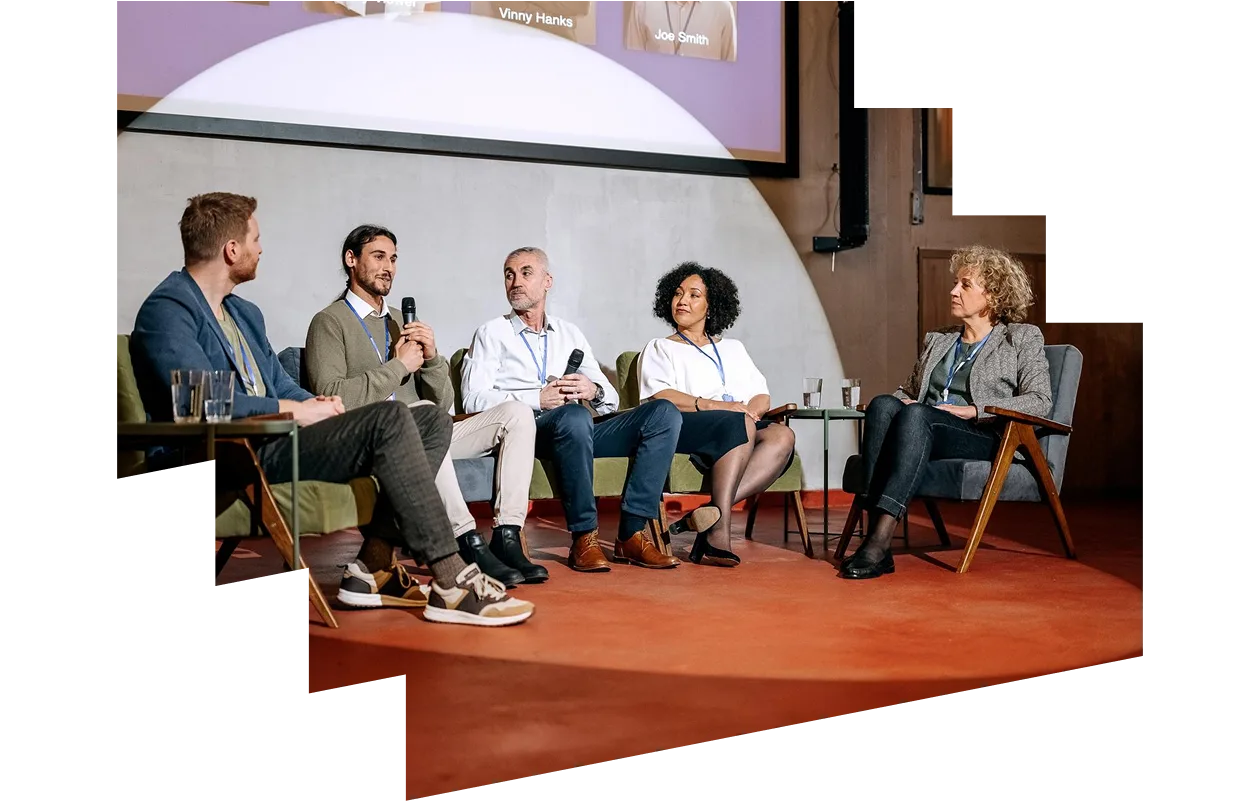
Group of diverse business people on panel discussion

Meet three scientists who transformed local challenges into insights with global impact. Their stories reveal why cultural understanding matters in science and prove diverse perspectives are essential for solving the challenges we face.


First Nations scholars are playing a critical role in decolonizing and re-shaping thought, bringing new ways of relational thinking that offer new opportunities to understand ourselves and our relationship with our environment, and building cooperation to help overcome contemporary global challenges.
Catherine Chamberlain

Catherine Chamberlain

Editor-in-Chief, First Nations Health and Wellbeing – The Lowitja Journal, NHMRC Career Development Fellow and Professor of Indigenous Health, Melbourne School of Population and Global Health at The University of Melbourne

Exchange perspectives

The research ecosystem thrives on dialogue and debate. Explore insights from a broad community of opinion leaders on topics that impact research, policy and practice — from research integrity to the role of technology in driving innovation, and many more — and see how these conversations shape the future of scientific discovery and inspire the way science moves forward.

Why do scientific papers get retracted, and why does it matter for research integrity?

Man and woman with laptop and papers

Learn about the retraction process — why retractions are initiated, how editors make these difficult decisions, and how corrections uphold trust in science and protect the scholarly record.

Investigating concerns about the reliability and integrity of our articles is one of the most important parts of my job as a scientific editor. It doesn’t matter if it’s a minor correction or a full retraction, we take all reported concerns very seriously and work hard to make sure we do the right thing.
Meghan Jendrysik Headshot

Meghan Jendrysik

Senior Scientific Editor at Elsevier

Share your experience

Your personal successes, setbacks and lessons learned offer invaluable guidance to others. Explore reflections on navigating the successes and challenges of a career in academia, industry and healthcare.

This is a space for researchers to share their experiences navigating an academic career, and to explore effective ways to communicate their findings.

Early career researchers navigate peer review: experiences and reflections

Young female student working on a laptop

“Why do I need to peer review?”

“Am I good enough to review someone else’s paper?”

These questions are common for early career researchers when tackling their first review. Learn more from your peers on how they navigated their first peer review and discovered its advantages.

“Not just my supervisor, but knowing that an editor invited me to review, reinforced the trust placed in me. This feeling was special when I started.”
Dr. Mohammad Alsharid

Dr. Mohammad Alsharid

DPhil (Oxon) in Engineering Science, Assistant Professor in Computer Science at University of Oxford