
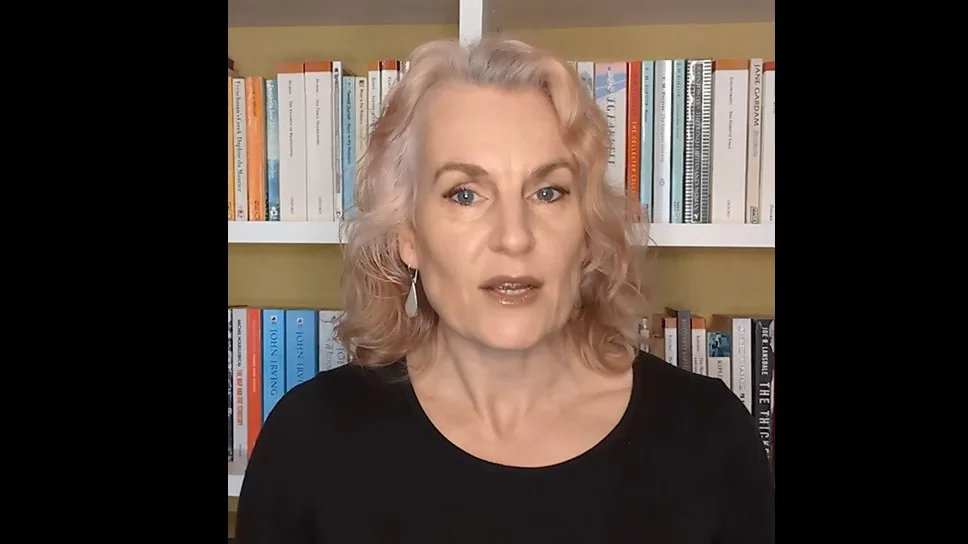
Public engagement in science requires two-way communication
Carolyn Ten Holter, Senior Researcher and Policy Lead at the Responsible Technology Institute, University of Oxford, highlights the need for better support for interdisciplinary research, solutions to misinformation, and improved public engagement.
Public engagement in science requires two-way communication
Key points:
Listen to the public: Researchers must understand the questions and concerns of the communities they serve
Facilitate dialogue: Mechanisms are needed to allow citizens to engage with researchers and ask questions
The bottom line: Better communication channels between researchers and the public can foster trust and collaboration.
Confidence in Research: Carolyn Ten Holter — Public engagement in science requires two-way communication
Confidence in Research: Carolyn Ten Holter — Public engagement in science requires two-way communication
Video transcript
"The challenge, one of the challenges that we find with public communication of science is that it's often thought of as a one-way street. So researchers want to talk about their research to the public. But, in order for communities and publics to really engage with these questions, what needs to happen is that researchers also need to be listening to the public.
"It's not just about us telling people what our research is. It's about understanding what the questions we might be asked are. And it's quite difficult to find the right forum for being able to do that, and the right format.
"And there's no easy way for publics, for citizens who are funding research through taxpayer funding, there's no easy way for them to be able to ask questions of researchers. And it would be great if there was some mechanism for making that happen, for facilitating better communications between public and the community, and communities and researchers."
[Transcript generated by AI with human review]