
What does "Non Solus" mean in Elsevier's logo?
2008년 3월 8일
저자: Library Connect
The story behind the tree
Ever wondered what "Non Solus" means in the Elsevier logo?
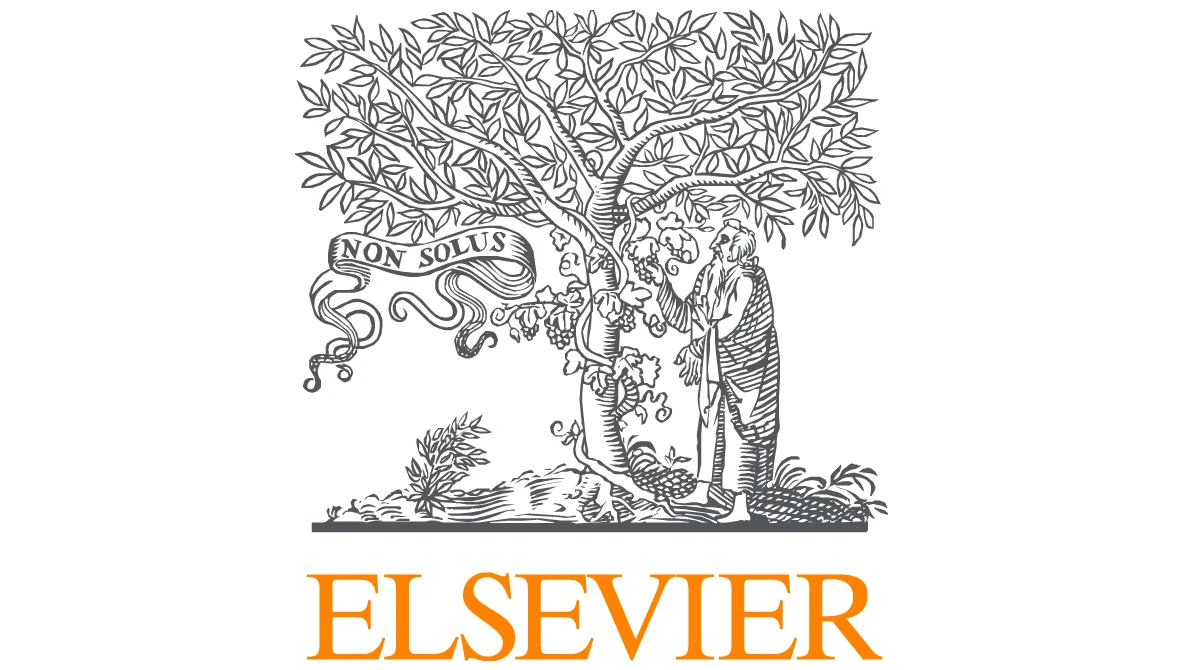
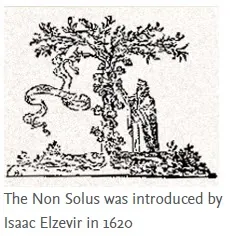
There is some debate over the meaning of the original Elzevir printer’s mark that is still used as Elsevier’s logo today and features an old man standing beneath a vine-entwined elm tree. It is inscribed with the Latin term Non Solus (not alone). The mark, first introduced by Isaac Elzevir (son of Lowys) in 1620, was featured on all Elzevir works from that time forth.
That the Elzevir family took pride in their mark is undisputed; what they intended it to mean is less clear. Although most scholars agree that the elm represents the tree of knowledge, they cannot agree on the meaning of the intertwined vine. The Parisian librarian Adry posited in 1806 that the elm tree entwined with the grapevine symbolized the bond between brothers Isaac and Abraham Elzevir and that the old man, a hermit, symbolized the seclusion of study. However, contemporary art historian Lucy Schlüter suggests more persuasively that the old man represents a wise scholar, a philosopher – evoking Erasmus’ image of Socrates sitting under a tree in a rural setting delivering fruitful and inspiring lectures.
In this context, the intertwined tree and vine represent a fruitful relationship – and the story therefore carries a moral. As Erasmus said, referring to the classic metaphor of tree and vine: "Like the vine which, though the most distinguished of all trees, yet needs the support of canes or stake or other trees which bear no fruit, the powerful and the learned need the help of lesser men.
"Viewed this way, the logo represents, in classical symbolism, the symbiotic relationship between publisher and scholar. The addition of the Non Solus inscription reinforces the message that publishers, like the elm tree, are needed to provide sturdy support for scholars, just as surely as scholars, the vine, are needed to produce fruit. Publishers and scholars cannot do it alone. They need each other. This remains as apt representation of the relationship between Elsevier and its authors today – neither dependent, nor independent, but interdependent.
기여자
