Unfortunately we don't fully support your browser. If you have the option to, please upgrade to a newer version or use Mozilla Firefox, Microsoft Edge, Google Chrome, or Safari 14 or newer. If you are unable to, and need support, please send us your feedback.

We'd appreciate your feedback.Tell us what you think!

Elsevier
Publish with us

Optimize R&D outcomes in pharma & biotech with Elsevier data and tools

Elsevier helps R&D teams make confident drug development decisions. Gain critical insights from innovative AI workspaces and tools built on trusted evidence and domain expertise. R&D teams at 90%+ of the top pharma companies use Elsevier solutions.

Researchers looking toward a computer monitor
  • Working with Elsevier has been a pleasure ... They’ve provided data that we incorporate into our proprietary biomedical knowledge graph, and they also offer valuable expertise in data science and drug repurposing.

    David Fajgenbaum

    Cofounder/President at EveryCure

  • R&D teams need quick access to verifiable scientific evidence ... LeapSpace advances rigor and transparency by providing traceable citations in its responses.

    Victoria Ball

    Associate Director, Global Library Services at Incyte

  • Reaxys gives us the ability to query and download structures, link them to bioactivity data, and explore structure-activity relationships.... Reaxys gives us confidence we won’t miss critical insights.

    Dr Christine Richardson

    Principal Scientist at Sygnature Discovery

  • When you search in Embase by Elsevier, your keywords are automatically mapped to relevant Emtree terms … It’s an essential tool for effective literature searches, ensuring comprehensive and precise results.

    Dr med Katharina Friedrich

    Regulatory and Medical Writing Consultant

AI-powered R&D solutions for pharma and biotech

Jan Erik Timmermann

Watch now

|

Elsevier helps pharma and biotech teams bring innovations to market faster with end-to-end risk management. Our R&D solutions include biomedical and chemistry databases, curated datasets, predictive and analytical tools, and a research-grade AI workspace — LeapSpace. LeapSpace unifies key research workflows in one secure environment:

  • Explore complex scientific questions

  • Compare evidence and perspectives

  • Upload and analyze your own documents

  • Identify collaborators and topic experts

Designed to prioritize trust, privacy and security, LeapSpace enables faster discovery with confidence.

Target identification and validation — Is our target druggable?

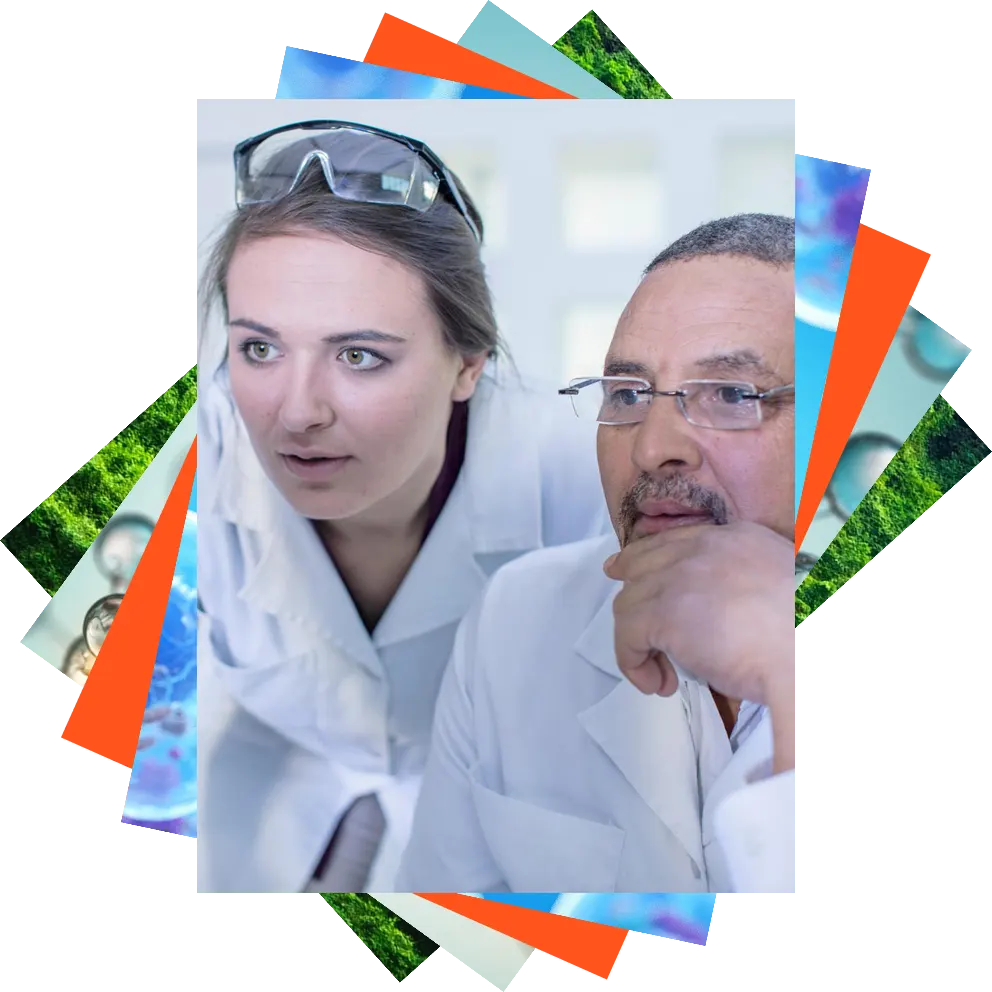
Science, people and tablet in lab for investigation

Elsevier curates, enriches and connects deep biological and translational data, so you can evaluate target-disease relevance with greater confidence early in discovery. Elsevier data for target identification and validation includes:

  • 18.6M biological relationships

  • Normalized data from ClinicalTrials.gov and public databases

  • Therapeutic area evidence from full-text literature (e.g., oncology, diabetes)

Explore biological, clinical, safety and competitive intelligence data — including early human trials — to identify risks sooner. Elsevier helps teams prioritize high-value targets and improve downstream success rates.

Hit identification to lead optimization — Are we advancing the most promising leads?

Cellular therapy

Elsevier connects chemistry data with biomedical evidence so you can progress confidently from hit identification through lead optimization. Elsevier data for hit identification to lead optimization includes:

  • Detailed experimental procedures for reactions, substances and bioactivities

  • 5.5M extracted safety and PK data lines

Surface ADME, off-target and liability signals to de-risk compounds before committing to a series. Explore structure-activity relationships and integrate biological insights to refine leads with greater precision. Elsevier helps teams prioritize the most promising series and avoid costly late-stage failures.

Preclinical development — Have we surfaced translational risks?

Elsevier helps preclinical teams agree on research strategies with a higher probability of clinical translation by integrating high-quality chemistry, biology and safety evidence. Elsevier data for preclinical development includes:

  • Chemistry and biology data enriched with DMPK, ADME and toxicology research

Explore the chemical space linked to PK and liability trends. Connect targets and pathways to safety concerns, understand toxicity mechanisms and predict potential drug-drug interactions. Elsevier helps teams address safety and developability earlier — before costly experiments begin.

Clinical development — Do we have the evidence needed to de-risk clinical trials?

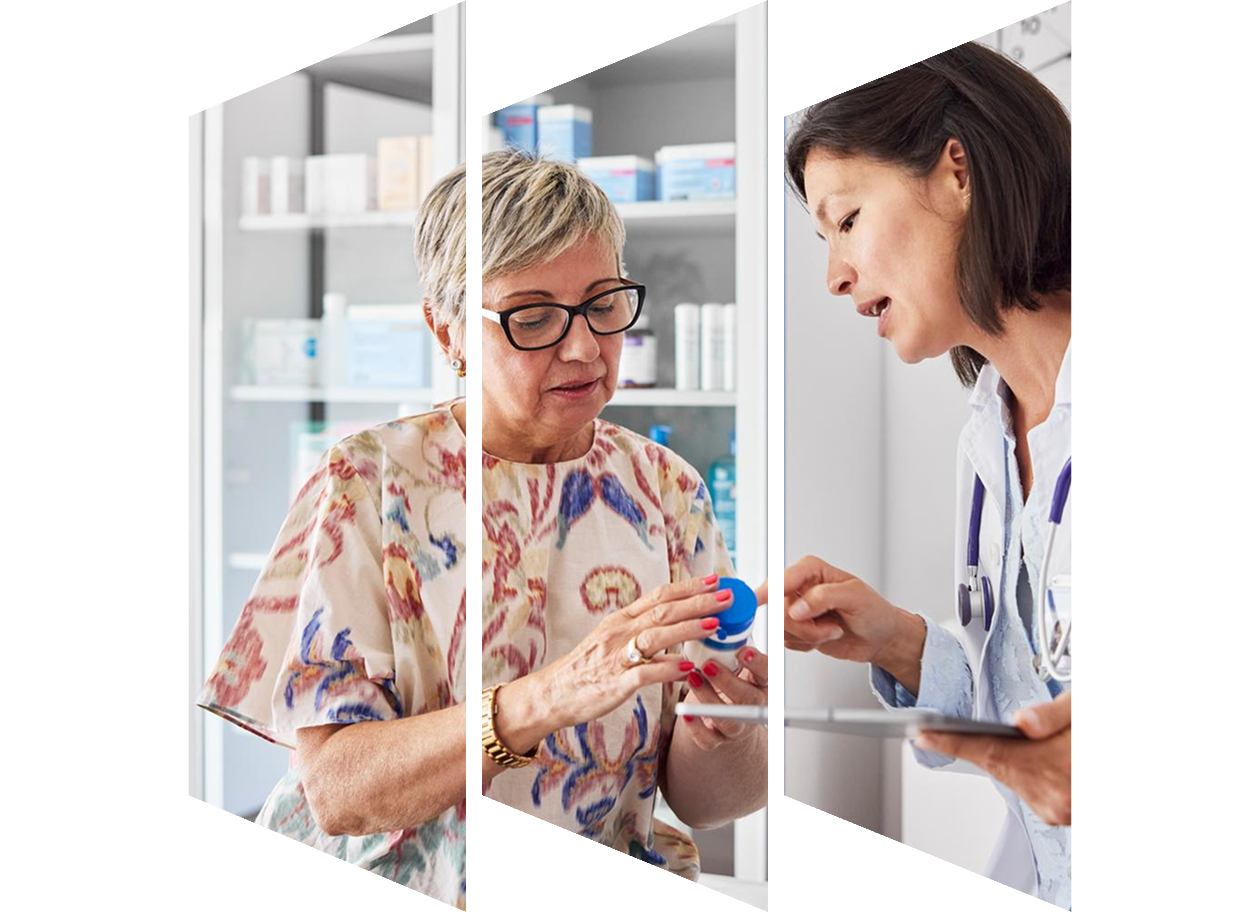
Female doctor giving instructions about prescription medicine to patient

Elsevier helps clinical development teams design stronger clinical trials with robust safety, feasibility and regulatory evidence. Elsevier data for clinical development includes:

  • Prior trial endpoints, dosing patterns, comparator choices, safety outcomes and translational research

Anticipate exposure- and dose-related risks to reduce costly early-phase rework. Monitor emerging risks across compound classes and competitors to translate preclinical insights into clinical strategies with greater clarity. Elsevier helps teams strengthen trial design and make confident, defensible decisions.

Regulatory approval and post-market surveillance — Are we ahead of safety risks?

View of Earth from space

Elsevier helps pharmacovigilance, regulatory and safety teams detect safety signals earlier and make defensible decisions with regulator-ready evidence. Elsevier data for regulatory approval and post-market surveillance includes:

  • Richly indexed global biomedical literature and regulatory documents for precise, reproducible evidence

Conduct comprehensive literature reviews using full-text journal articles, conference abstracts and grey literature. Monitor adverse events, emerging safety signals and real-world performance with traceable, audit-ready citations. Elsevier helps you detect, assess and validate safety signals with greater speed and rigor.